Printable cards Skill Cards 59
In This Chapter
This chapter replaces the default Exodus NDS skill list with one built for The Hollow: who can learn what, at what cost, and under whose authority.
Skills in The Hollow fall into four access categories:
- Universal Skills: broad human capabilities available to all characters.
- Discipline Skills: specialized professional or hidden-world skills, usually granted by Careers.
- Restricted Discipline Skills: dangerous or highly specialized skills that can be learned outside the proper lane only at much higher cost and with added risk.
- Hard-Gated Authority Skills: ranked access, authority, trust, ordination, clearance, or institutional pull available only through faction membership or specific story events.
Skill Design Philosophy
The Hollow is built around expertise silos. A character who pours advancement into one discipline becomes the person no one else at the table can replace: the exorcist, the monster killer, the relic handler, the scholar, the negotiator, the forbidden ritualist. That is the payoff the skill list is tuned for, and spreading thin costs it: a character who reaches for a little of everything stays serviceable everywhere and decisive nowhere, and never touches the gated authority and restricted disciplines, which open only to those who go deep. The real question at creation is not what your character can do, but what they will be the one to do.
Most cases need more than one kind of truth at once. A death scene might call for Perception to notice the blood under the floorboards, Discernment to see the false miracle, and Relic Lore to understand what was left behind: each is a door one specialist can open, and a case is a hallway of doors. Investigation Is Split, later in this chapter, breaks down how a full case divides across skills.
Factions own access, methods, habits, and authority. Talents permit supernatural acts. Skills determine how well a character understands, applies, resists, investigates, or survives what is in front of them.
Research and the Room Full of Books
Research is one of the most powerful discipline skills in The Hollow, and one of the least glamorous: cross-referencing archives, chasing a citation through dead languages, finding the document no one else checked, usually far from the field. High Research means you can find almost anything that has been written down. Finding it and knowing what it means are different skills, which is why the researcher and the specialist need each other.
Character Creation Skill Sources
The Hollow uses the normal Background, Career, and Faction structure, but applies a stricter skill philosophy.
Background grants universal or general skills only. It represents who the character was before The Hollow defined their life.
Career grants discipline skills. It represents what the character does professionally or practically in the hidden world.
Faction grants faction skills, restricted access, authority skills, and faction-specific talent access. It represents affiliation, institutional methods, reputation, and resources.
Independent characters do not receive faction authority or faction passives, but they gain latitude. They cannot be defrocked, reassigned, sanctioned, stripped of clearance, recalled, or punished by an organization for disobedience. They may associate with priests, hunters, occultists, academics, intelligence officers, and black-market contacts without violating faction rules. Chapter Four defines the full Independent benefit.
Skill Access Categories
Universal Skills
Universal Skills are available to all characters. A Background may make a Universal Skill a profession skill. Careers and Factions may also grant Universal Skills when needed, but they should not flood characters with broad competence.
Universal Skills cover normal human action: fighting, sneaking, operating vehicles, lying, surviving, noticing danger, using technology, resisting fear, and treating injuries.
Discipline Skills
Discipline Skills are specialized skills used by professionals, investigators, occult workers, hunters, clergy, scholars, relic handlers, and hidden-world operators.
These are not locked by faction by default. A character may learn them out of profession at the normal out-of-profession cost unless the skill is listed as Restricted.
Discipline Skills are primarily granted by Career. Factions may grant some as profession skills if they are central to faction identity.
Restricted Discipline Skills
Restricted Discipline Skills sit between ordinary Discipline Skills and full Hard-Gated Authority Skills: dangerous knowledge, specialized training, or spiritual function that should not be casually acquired. They use the same rating scale as other skills, at higher cost (see Skill Advancement Costs).
The current Restricted Discipline Skills are:
- Deliverance
- Containment
- Forbidden Rites
A character may buy a Restricted Discipline Skill as a profession skill only if their Background, Career, or Faction explicitly grants it. A character without profession access may purchase one only with GM approval, when the story supports it, and only using the restricted out-of-profession cost track (see Skill Advancement Costs); doing so adds 1 Bane die to the check, representing the lack of institutional knowledge, incomplete training, missing protocols, and increased risk of using dangerous methods without proper formation.
The GM may deny an out-of-profession purchase if the character lacks the story justification, training, faith, contact, or exposure it requires.
Hard-Gated Authority Skills
Hard-Gated Authority Skills measure ranked authority, access, or institutional standing rather than raw ability, and they sit alongside normal skills rather than replacing them. See Hard-Gated Authority Skills later in this chapter for the full purchase rule.
Operate, Technology, and Subterfuge
Operate, Technology, and Subterfuge are defined in the skill tables below. See Technology or Subterfuge? in the Skill Boundary Guide for how to choose between the latter two, and for the rule on assisting with more than one at once.
Restricted Discipline Skills
Costs are listed under Skill Advancement Costs at the end of this chapter.
Out-of-profession use of a Restricted Discipline Skill also adds a Bane die, as described above.
Deliverance
Deliverance is external spiritual aid. See Composure or Deliverance? in the Skill Boundary Guide for how it differs from Composure and from Exorcism.
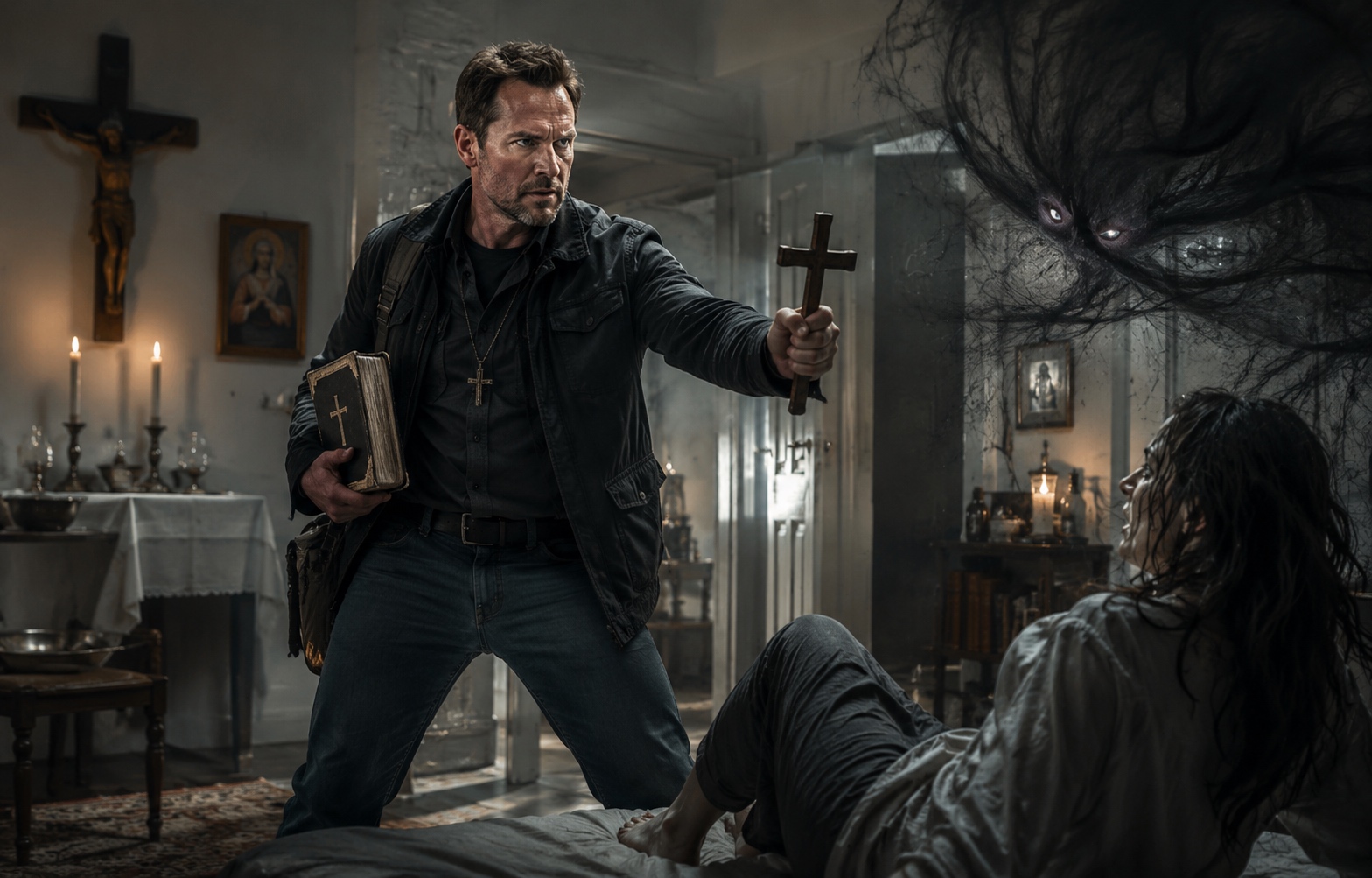
Deliverance is restricted to clergy, the Order of Mercy, the Watchfires, and characters whose faith and story justify it. The GM may deny access if the character lacks the requisite faith.
Containment
Containment is rolled when the item, site, or supernatural hazard is active, unstable, dangerous, reactive, unidentified under pressure, or capable of harming people through mishandling.
If an object is truly dormant and harmless until activated, anyone can touch, carry, box, or move it like an ordinary object. The danger is that characters may not know it is dormant.
Some objects have passive traits that make them effectively always active. Others require a command, name, contact, condition, sin, blood, phrase, or mishandling before they awaken. Latchkey Archive specialists know the protocols that keep those differences from killing people.
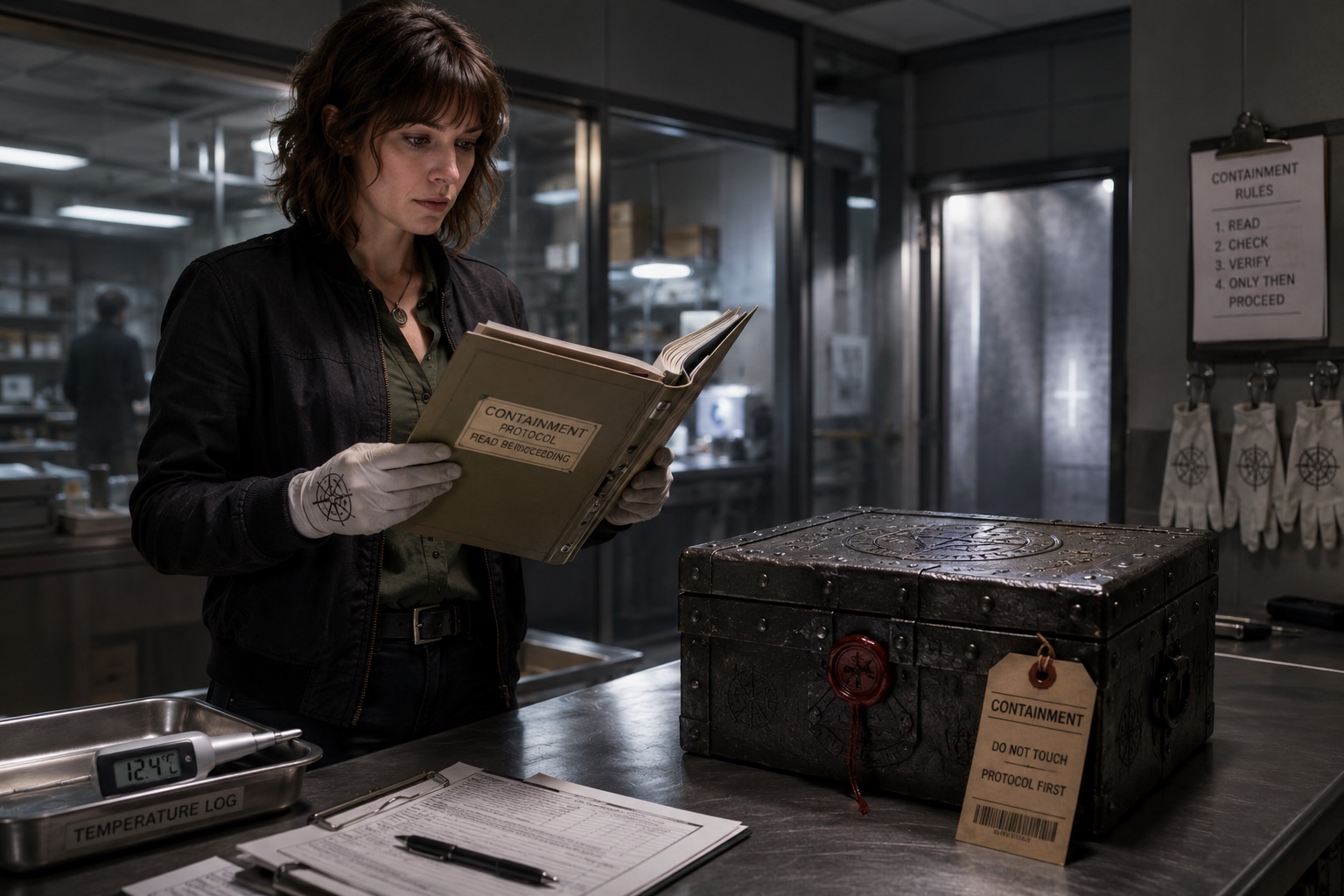
Out-of-profession Containment represents someone trying to handle an active hazard without proper institutional training, equipment, files, or protocols.
Forbidden Rites
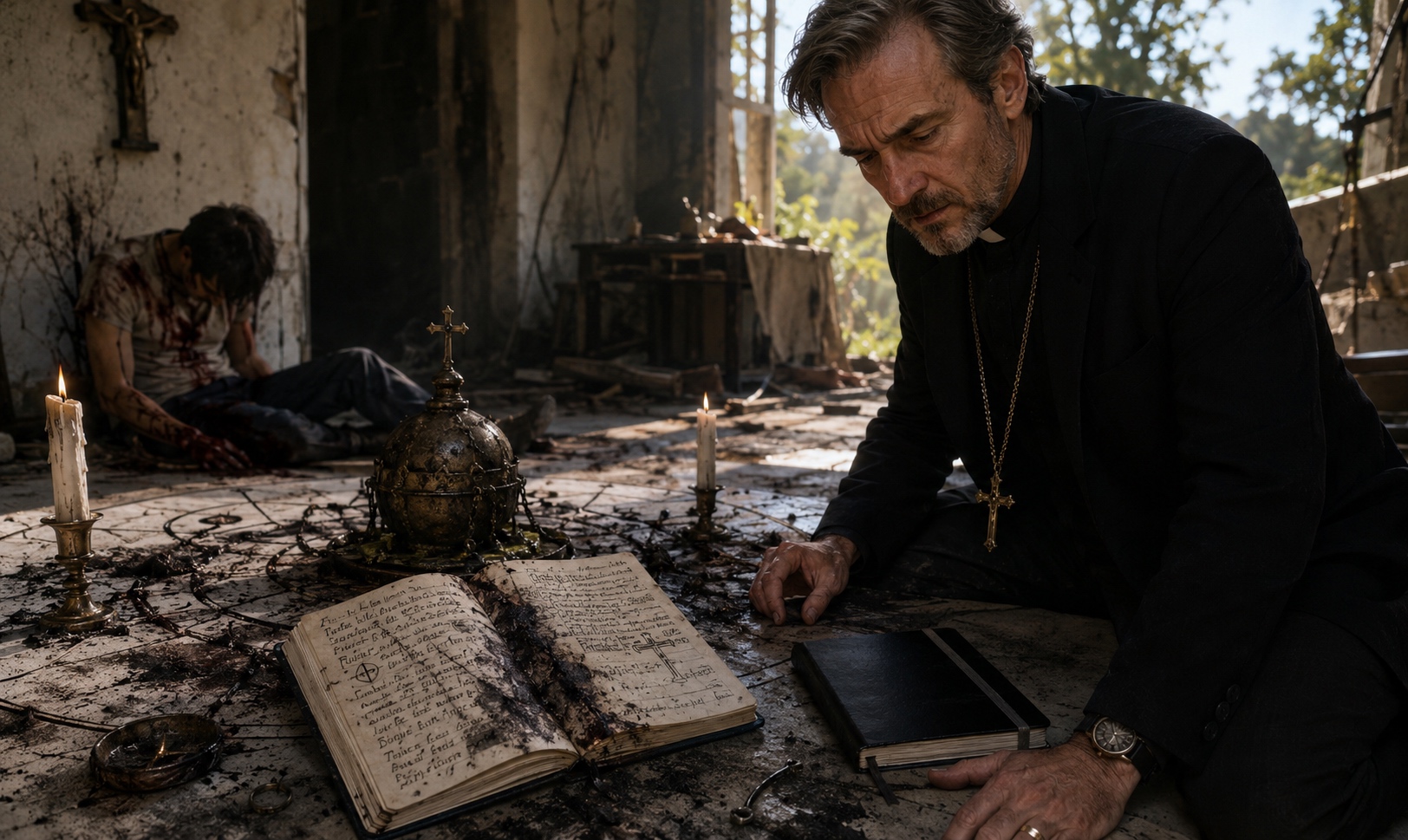
The prohibition on Forbidden Rites is not squeamishness: these methods work by violating the order of things, and that violation is the mechanism.
Even when used toward a good end, the method remains spiritually dangerous. A character using evil power, infernal forms, coercive spirit work, soul-affecting magic, curses, Wound energy, blood rites, or other prohibited sources risks Corruption.
Good intentions do not make forbidden power safe, though they may make the choice understandable.
Forbidden Rites is also the skill that tells a character how a rite works: its structure, its requirements, its risks. A Lantern Index scholar with Research and Dead Languages might be able to read a summoning ritual and explain every step, but without Forbidden Rites, and without the appropriate magical talent, they cannot perform it (see Forbidden Rites or a Magical Talent? in the Skill Boundary Guide).
Corruption Risk from Forbidden Rites
Using Forbidden Rites risks Corruption. The risk is result-driven: Banes and Calamities on the check can raise the character's Corruption, and a Breakthrough can be spent to avoid the stain. Failed rites use reduced thresholds, because nothing fully answered, manifested, opened, or took hold. The full tables are in Chapter Eight (Corruption from Forbidden Rites).
Welcome It In
Before making a check involving Forbidden Rites, infernal influence, corrupt relics, active Wounds, devil bargains, or other corrupting power, a character may voluntarily gain 1 Corruption to reduce the check's difficulty by 1 step, to a minimum of 1 Trial die .
This choice is always visible in the story; taking it is optional, never required.
Hard-Gated Authority Skills
Hard-Gated Authority Skills represent authority, access, recognition, trust, clearance, ordination, faction backing, or institutional pull, not raw ability the way a normal skill does. They are ranked: the rank measures how much access, trust, pull, or institutional force the character can exert.
A character may only purchase a Hard-Gated Authority Skill if they belong to the relevant faction, possess the required status, or gain access through a specific story event approved by the GM. A character may know Theology without being able to perform Catholic sacraments, or Relic Lore without being able to open a Latchkey vault; see Authority Skill or Normal Skill? in the Skill Boundary Guide for more examples.
Hard-Gated Authority Skills use the profession cost track unless a faction entry says otherwise. The gate is a matter of story, institution, spiritual standing, or social trust; it cannot be bypassed by paying more XP, only earned in the story.
Ordination
Ordination is a specific canonical status, not a derived condition. A character is ordained if they are:
- A member of the Order of Mercy (active faction membership), and
- Male, and
- Have taken priestly vows within the Church.
Ordination is not inferred from Theology rank, skill investment, or faith alone. A character may have Theology 5 and deep personal faith and remain a layperson. Ordination requires the institutional fact of holy orders.
Fallen and excommunicated priests retain ordination. Holy orders, once conferred, are considered permanent in Catholic sacramental theology. A priest who has left the Church, been excommunicated, or broken their vows may be in irregular standing and their sacramental authority may be contested by ecclesial structures; but the ontological mark of ordination does not disappear. At the GM's discretion, an excommunicated or fallen priest performing sacraments may face Sanctity consequences (see Chapter Eight) without losing the mechanical ability to perform them.
Characters who were ordained before losing their Order of Mercy membership (through expulsion, voluntary departure, or story events) retain Sacraments access at GM discretion if the story supports it.
Female Order members have access to Mercy Archives and Ecclesial Authority. Sacraments requires ordination to the Catholic priesthood and is not available to them. The Order employs female investigators, scholars, specialists, and field operatives in active roles; ordination is the only gate that affects their hard-gated access, and it is the institution's gate, not the system's.
Universal Skills
Available to all characters. Backgrounds grant these most often. Faction membership may make some cheaper, but does not gate access.
| Skill | Characteristic | Description |
|---|---|---|
| Athletics | Might | Running, climbing, jumping, swimming, forcing movement, breaking through physical obstacles, and other direct physical exertion. |
| Fortitude | Might | Resisting poison, pain, exhaustion, exposure, disease, physical shock, deprivation, and bodily collapse. |
| Melee | Might | Fighting with handheld weapons such as knives, clubs, axes, blades, improvised weapons, batons, and blessed arms. |
| Unarmed | Might | Grappling, striking, restraining, shoving, choking, wrestling, and fighting without weapons. |
| Ranged | Agility | Firearms, bows, thrown weapons, crossbows, and other direct ranged attacks. |
| Reflexes | Agility | Dodging, reacting quickly, avoiding traps, diving for cover, and acting under sudden danger. |
| Stealth | Agility | Hiding, moving quietly, shadowing a target, avoiding notice, and remaining unseen or unheard. |
| Subterfuge | Agility | Lockpicking, sleight of hand, palming objects, bypassing mundane security, planting evidence, escaping restraints, and defeating mechanical intrusion barriers. |
| Operate | Agility | Driving, piloting, sailing, steering, and otherwise controlling ground vehicles, aircraft, watercraft, mounts, and other controlled systems under normal or dangerous conditions. Use Operate whenever a vehicle or vessel is being pushed past ordinary travel. |
| Perception | Savvy | Noticing immediate sensory details, ambushes, physical tells, hidden objects, environmental danger, and visible contradictions. |
| Composure | Willpower | Internal resistance: fear, panic, despair, intimidation, temptation, spiritual pressure, oppressive dread, and the first pressure of demonic influence against oneself. Composure replaces the core Readiness skill in The Hollow. All Initiative formulas, talent references, and cross-references to Readiness use Composure instead. |
| Survival | Savvy | Shelter, water, food, navigation, wilderness travel, exposure, weather, scavenging, and staying alive in hostile environments. |
| Streetwise | Savvy | Criminal networks, rumors, black-market mundane access, local pressure, who controls a neighborhood, and who knows things off the record. |
| Charm | Charisma | Rapport, warmth, reassurance, likability, gentle persuasion, pastoral comfort, and getting someone to open up willingly. |
| Deception | Charisma | Lies, false identities, misdirection, cover stories, false emotions, and concealing intent. |
| Negotiation | Charisma | Bargaining, terms, concessions, leverage, compromise, deals, and practical settlement between opposed interests. |
| Intimidation | Willpower | Coercion, threats, command presence, hard pressure, interrogation by fear, and making someone believe refusal has consequences. |
| Leadership | Charisma | Command, coordination, crisis direction, rallying allies, issuing orders, keeping a team moving, and assuming responsibility under pressure. |
| Medicine | Intellect | First aid, trauma care, illness, medical stabilization, pharmaceuticals, emergency treatment, and practical medical knowledge. |
| Technology | Intellect | Computers, phones, cameras, surveillance devices, drones, networks, electronic locks, encrypted files, digital recovery, sensors, and practical hacking. |
Discipline Skills
Specialized skills. Careers grant these most often. Factions may grant some as profession skills when central to faction identity. Unless listed as Restricted, these may be bought out of profession using normal out-of-profession costs.
| Skill | Characteristic | Primary Profession Sources | Description |
|---|---|---|---|
| Theology | Intellect | Order of Mercy, Watchfires, clergy Careers, scholar Careers | Christian doctrine, scripture, Church history, saints, sacramental tradition, Protestant and Catholic religious knowledge, and theological interpretation. |
| Discernment | Savvy | Order of Mercy, Watchfires; out-of-profession for psychics and Awakened | Reading spiritual truth behind appearances: possession signs, false miracles, profanation, demonic deception, spiritual pressure, inverted holiness, and whether something is spiritually wrong rather than merely strange. |
| Deliverance | Willpower | Order of Mercy, Watchfires, clergy or ardent-believer Careers | External spiritual aid that helps another person resist demonic influence, oppression, temptation, or early-stage intrusion before established possession takes hold. Restricted Discipline Skill. |
| Forensics | Intellect | Lyncean Office, medical and legal Careers | Crime scene analysis, physical evidence, cause of death, trace evidence, lab reports, forensic contradictions, staged scenes, and the physical truth of a violent event. |
| Inquiry | Savvy | Investigative Careers, journalistic Careers | Witness interviews, canvassing, statement comparison, timeline reconstruction, missing-person work, reading reports, and finding the human path through an incident. |
| Research | Intellect | Lantern Index, academic Careers, Lyncean Office, Order of Mercy | Archives, databases, old newspapers, case files, libraries, parish records, public records, academic sources, cross-referencing, and finding the document no one else checked. Research tells you how to look. Access skills tell you what you are allowed to find. |
| Tradecraft | Savvy | Directorate Vesper, intelligence Careers | Surveillance, countersurveillance, cover maintenance, asset handling, signal reading, dead drops, infiltration habits, and intelligence-field procedure. |
| Occult Lore | Intellect | Candleless, occult scholar Careers | Demons, devils, ghosts, spirits, forbidden texts, ritual theory, infernal law, supernatural taxonomy, cult practice, and hidden-world patterns. |
| Monster Lore | Intellect | Black Road, hunter Careers | Creature types, habits, weaknesses, lairs, feeding patterns, kill methods, folklore that works, and what legends were invented to get hunters killed. |
| Tracking | Savvy | Black Road, wilderness Careers, hunter Careers | Following physical and supernatural trails, reading sign, spoor, movement, broken terrain, lairs, escape routes, and where something has been. |
| Fieldcraft | Savvy | Black Road, field operator Careers, survivalist Careers, field medic Careers | Practical hidden-world preparation: salting a door, marking shells, choosing safe motel rooms, finding warding materials, setting traps, maintaining caches, using hunter signs, and sleeping with three exits. |
| Relic Lore | Intellect | Latchkey Archive, Order of Mercy, Lantern Index | Relic identification, cursed-object histories, provenance, classification, prior incidents, Church relic records, and why an object matters. |
| Containment | Intellect | Latchkey Archive, containment Careers | Safe handling, quarantine, field neutralization, transport, storage, temporary sealing, and breach response for active, unstable, or dangerous relics, objects, sites, and supernatural hazards. Restricted Discipline Skill. |
| Dead Languages | Intellect | Lantern Index, Order of Mercy, scholar Careers | Latin, Greek, Hebrew, Aramaic, Enochian-style occult scripts, coded ecclesial records, ritual fragments, and other dead or hidden languages relevant to supernatural texts and rites. |
| Forbidden Rites | Willpower | Candleless, excommunicated occult Careers, infernal scholar Careers | Unsanctioned occult procedures, curse work, infernal bargaining forms, coercive ritual methods, black rites, and other practices forbidden because they are spiritually dangerous. Restricted Discipline Skill. |
Hard-Gated Authority Skills
| Skill | Characteristic | Faction | Description |
|---|---|---|---|
| Sacraments | Willpower | Order of Mercy; ordained priests only | Performing valid Catholic sacraments: Mass, confession, anointing, last rites, formal blessings, and sacramental acts. Requires ordination. Theology can explain these rites; Sacraments permits them. See Ordination note below. |
| Mercy Archives | Intellect | Order of Mercy | Accessing, navigating, and interpreting Order case files, possession records, miracle investigations, relic notes, sealed parish reports, and internal supernatural archives. |
| Ecclesial Authority | Charisma | Order of Mercy | Exerting Church authority through bishops, cardinals, diocesan offices, religious orders, parishes, holy sites, sealed rooms, clerical cooperation, and emergency ecclesial channels. |
| Watchfire Network | Savvy | The Watchfires | Finding and calling on Protestant deliverance workers, pastors, prayer groups, sympathetic congregations, safe homes, local ministries, and believers across regions who know enough to help, the dispersed, loosely organized web of people who do this work alone and recognize each other on sight. |
| Congregational Trust | Charisma | The Watchfires | Earning the specific cooperation of a local church community, a particular pastor, a particular congregation, a particular building. Moving through established local church networks, keeping civilians calm, and creating the conditions for a community to protect its own. This is personal, face-to-face trust built over time or demonstrated in the moment. |
| Righteous Fire | Willpower | The Watchfires | The direct application of faith as spiritual force, distinct from the Order of Mercy's structure, rite, and sacramental authority. Roll Willpower + Righteous Fire. On success, the character's faith disrupts supernatural influence in the immediate area, forces an entity to acknowledge the confrontation, or provides protection through proclaimed spiritual authority. This is not Exorcism and cannot drive out an established possession alone; it works before and around a confrontation. On failure, the confrontation is real and may draw more attention than intended. The Watchfires Passion passive (see Chapter Four) applies to Righteous Fire like any Passion-engaged check. Righteous Fire grants no separate success-buying of its own; the benefit is the Passion passive, not a property of the skill. |
| Deniable Assets | Savvy | Directorate Vesper | Accessing off-book cash, safehouses, cutouts, forged documents, unofficial transport, hidden equipment, and people who will not appear in a report. |
| Signals Access | Intellect | Directorate Vesper | Pulling restricted communications, intercepted signals, surveillance feeds, digital traces, metadata, and intelligence databases through channels that officially do not exist. |
| Black Clearance | Charisma | Directorate Vesper | Operating outside normal legal channels, suppressing records, seizing assets quietly, overriding civilian processes, and invoking deniable authority. |
| Federal Jurisdiction | Charisma | The Lyncean Office | Warrants, subpoenas, crime-scene control, federal access, interagency cooperation, and the ability to make local officials treat the case as official. |
| Evidence Chain | Intellect | The Lyncean Office | Labs, evidence lockup, official records, protected files, chain of custody, forensic reporting, and making impossible evidence survive paperwork. |
| Local Liaison | Charisma | The Lyncean Office | Getting police, coroners, hospitals, emergency services, local agencies, and municipal officials to cooperate without knowing the full truth. |
| Vault Access | Intellect | The Latchkey Archive | Accessing restricted vaults, object records, sealed storage, item histories, containment lockers, and requisition channels. |
Hard-Gated Authority Skills
| Skill | Characteristic | Faction | Description |
|---|---|---|---|
| Containment Authority | Charisma | The Latchkey Archive | Invoking official containment protocols, quarantining locations, sealing objects, ordering evacuations, transporting hazards, and classifying sites or artifacts. |
| Archive Clearance | Intellect | The Latchkey Archive | Reading restricted breach reports, failed containment records, dangerous object files, redacted provenance, and prior handler notes. |
| Hunter Marks | Savvy | The Black Road | Reading and using hunter signs, road codes, warning marks, cache symbols, safe-route indicators, and old field shorthand that is not written anywhere civilians would find it. |
| Road Debt | Charisma | The Black Road | Calling in favors, shelter, weapons, transport, local hunter aid, emergency extraction, and grudging help from people who do not trust institutions and may not trust the character either. |
| Kill Ledger | Intellect | The Black Road | Accessing accumulated monster-kill records, weakness notes, family journals, field reports, and the ugly lore hunters leave behind for the people who come after them. |
| Index Access | Intellect | The Lantern Index | Accessing private databases, restricted catalogs, hidden scholarly exchanges, rare case abstracts, and controlled research networks unavailable through normal academic or public channels. |
| Rare Texts | Intellect | The Lantern Index | Locating, borrowing, copying, translating, or authenticating forbidden, hidden, suppressed, or nearly lost manuscripts. |
| Peer Review | Charisma | The Lantern Index | Getting experts, translators, historians, theologians, archivists, or specialists to validate claims quickly and discreetly when the clock is running. |
| Black Market | Savvy | The Candleless | Finding illegal relics, forged papers, unsanctioned ritual supplies, occult contraband, curse-work materials, and sellers who should not be trusted but are the only ones who have what is needed. |
| Infernal Contacts | Charisma | The Candleless | Reaching brokers, intermediaries, cursed informants, devil-touched negotiators, and dangerous figures who know the rules of filthy doors. This grants access, not safety. Entities and people reached through Infernal Contacts have their own agendas. |
| Unclean Sanctuary | Savvy | The Candleless | Finding hidden chapels, cursed rooms, occult safehouses, profaned shelters, and places respectable factions refuse to enter but that may be exactly where the problem is being run from. |
Skill Advancement Costs
Unless a Universe-specific rule says otherwise, The Hollow uses the core Exodus NDS skill advancement costs. Restricted Discipline Skills use normal profession costs when granted as profession skills. They use the restricted out-of-profession cost track when learned outside the proper lane.
| Rank | Profession Skill Cost | Out-of-Profession Cost | Restricted Out-of-Profession Cost |
|---|---|---|---|
| 1 | 5 XP | 10 XP | 10 XP |
| 2 | 10 XP | 15 XP | 20 XP |
| 3 | 15 XP | 20 XP | 30 XP |
| 4 | 20 XP | 25 XP | 40 XP |
| 5 | 25 XP | 30 XP | 50 XP |
Out-of-profession use of a Restricted Discipline Skill also adds a Bane die (see Restricted Discipline Skills above).
Hard-Gated Authority Skills
Hard-Gated Authority Skills use the profession cost track; see Hard-Gated Authority Skills above for who may purchase them.
Skill Boundary Guide
Use this guide when two skills seem close.
Investigation Is Split
The Hollow does not use a single Investigation skill. Investigation is what the team does together.
| Question | Use |
|---|---|
| Do I notice the blood under the rug? | Perception |
| Do I understand how the victim died? | Forensics |
| Do I get the witness to tell me what they saw? | Inquiry, Charm, Intimidation, or Deception depending on method |
| Do I reconstruct the timeline? | Inquiry |
| Do I find the old parish record? | Research |
| Do I recognize the prayer was inverted? | Theology or Discernment |
| Do I know this is demonic deception? | Discernment |
| Do I know the entity's category? | Occult Lore or Theology, depending on approach |
| Do I know how to kill the monster? | Monster Lore |
| Do I follow it back to its lair? | Tracking |
| Do I set the trap? | Fieldcraft |
| Do I know what bait or position the monster will respond to? | Monster Lore |
| Do I know how to move the relic safely? | Containment |
| Do I know what the object is? | Relic Lore |
| Do I read the inscription? | Dead Languages |
Perception or Discernment?
Use Perception when the detail is physical, sensory, or observable by ordinary means.
Use Discernment when the detail is spiritual, deceptive, profaned, infernal, miraculous, possessed, or hidden behind a holy or unholy appearance.
A person sweating, shaking, and avoiding eye contact may call for Perception or Inquiry. A person whose shadow refuses to face the altar calls for Discernment.
Composure or Deliverance?
Use Composure when the character resists for themselves.
Use Deliverance when the character helps someone else resist demonic influence before full possession takes hold.
Use Exorcism (a magical talent, not a skill) when established possession must be driven out. Chapter Eight covers the full Exorcism procedure.
Theology or Occult Lore?
Use Theology for Christian doctrine, scripture, Church history, sacraments, saints, formal demonology from a faith-grounded perspective, and spiritual interpretation within Christian belief.
Use Occult Lore for forbidden texts, infernal structures, ritual theory, cult practice, supernatural taxonomy, and hidden-world patterns outside clean doctrine.
A priest identifying a profaned sacramental rite likely rolls Theology. A Candleless operator recognizing an infernal loophole in a black rite likely rolls Occult Lore or Forbidden Rites.
Forbidden Rites or Discernment?
Use Discernment to perceive and read spiritual truth: recognizing whether something is spiritually wrong, identifying possession, seeing through false miracles, and reading the hidden spiritual state of a person or place.
Use Forbidden Rites to understand, prepare, control, or perform unsanctioned occult procedures.
Practicing forbidden rites does not make a character better at reading spiritual truth: Forbidden Rites teaches the procedure, not how to judge what it produces. A character can have Forbidden Rites 4 and Discernment 0, know exactly how to perform the summoning, and be unable to tell whether the thing that answered was what they called.
Relic Lore or Containment?
Use Relic Lore to know what an object is, where it came from, what records mention it, what it did before, and why it matters.
Use Containment to handle, transport, seal, neutralize, quarantine, or stabilize it when it is active or dangerous.
Knowing an object should not be opened is Relic Lore. Moving it safely once it becomes active is Containment.
Survival or Fieldcraft?
Use Survival when the problem is environmental: shelter, water, weather, food, exposure, navigation, or terrain.
Use Fieldcraft when the problem is hidden-world preparation: salt for the door, iron under the bed, marked shells, safehouse routes, hunter signs, warding habits, cache use, or monster-specific field precautions.
Technology or Subterfuge?
Use Technology for electronic, digital, networked, monitored, encrypted, or device-based obstacles, and Subterfuge for manual trickery, mechanical locks, palming objects, escaping restraints, planting evidence, and physical intrusion. When a task could call for more than one skill, including Operate, the GM chooses the primary skill and may let the others assist, prepare, or add Boon dice .
Forbidden Rites or a Magical Talent?
Forbidden Rites is the skill used to understand, prepare, control, or perform unsanctioned occult procedures.
A magical talent determines whether a character can attempt a specific supernatural act at all.
A character might understand the structure of a summoning circle with Forbidden Rites 4 but without the appropriate magical talent cannot reliably perform the summoning as a supernatural action. The skill provides knowledge and execution of the procedure. The talent provides access to the power behind it.
Authority Skill or Normal Skill?
Authority skills grant access, rank, recognition, institutional force, or permission. They do not replace doing the work.
| Situation | Skill |
|---|---|
| Convince a bishop to open sealed diocesan files | Ecclesial Authority |
| Understand what the files mean | Theology, Research, or Mercy Archives |
| Get local police to release a crime scene | Federal Jurisdiction or Local Liaison |
| Interpret the crime scene | Forensics or Perception |
| Requisition a sealed relic box | Vault Access |
| Identify the relic | Relic Lore |
| Move the active relic safely | Containment |
| Call a hunter safehouse | Road Debt |
| Know what killed the victim | Monster Lore or Forensics |
| Find a suppressed Church file | Mercy Archives |
| Understand what the file is describing theologically | Theology |
| Locate a forbidden manuscript | Rare Texts |
| Read it | Dead Languages |
| Know what it means | Occult Lore or Theology |
Final Skill List Summary
Universal Skills (20)
Athletics, Fortitude, Melee, Unarmed, Ranged, Reflexes, Stealth, Subterfuge, Operate, Perception, Composure, Survival, Streetwise, Charm, Deception, Negotiation, Intimidation, Leadership, Medicine, Technology.
Discipline Skills (15)
Theology, Discernment, Deliverance*, Forensics, Inquiry, Research, Tradecraft, Occult Lore, Monster Lore, Tracking, Fieldcraft, Relic Lore, Containment*, Dead Languages, Forbidden Rites*.
*Restricted Discipline Skills.
Hard-Gated Authority Skills (24)
Order of Mercy: Sacraments, Mercy Archives, Ecclesial Authority. The Watchfires: Watchfire Network, Congregational Trust, Righteous Fire. Directorate Vesper: Deniable Assets, Signals Access, Black Clearance. The Lyncean Office: Federal Jurisdiction, Evidence Chain, Local Liaison. The Latchkey Archive: Vault Access, Containment Authority, Archive Clearance. The Black Road: Hunter Marks, Road Debt, Kill Ledger. The Lantern Index: Index Access, Rare Texts, Peer Review. The Candleless: Black Market, Infernal Contacts, Unclean Sanctuary.
Total skills: 59.