Everything that touches the supernatural long enough becomes a little supernatural itself. The question is what kind.
In This Chapter
This chapter defines what relics and cursed objects are in The Hollow, how they are identified and classified, how they are safely handled and contained, what happens when containment fails, and how curses work and can be broken. It includes a catalog of example relics and cursed objects with full mechanical profiles.
The equipment used to handle and contain these objects is defined in Chapter Seven. The Latchkey Archive's talent trees for working with relics are defined in Chapter Six. This chapter tells you what you are actually dealing with.
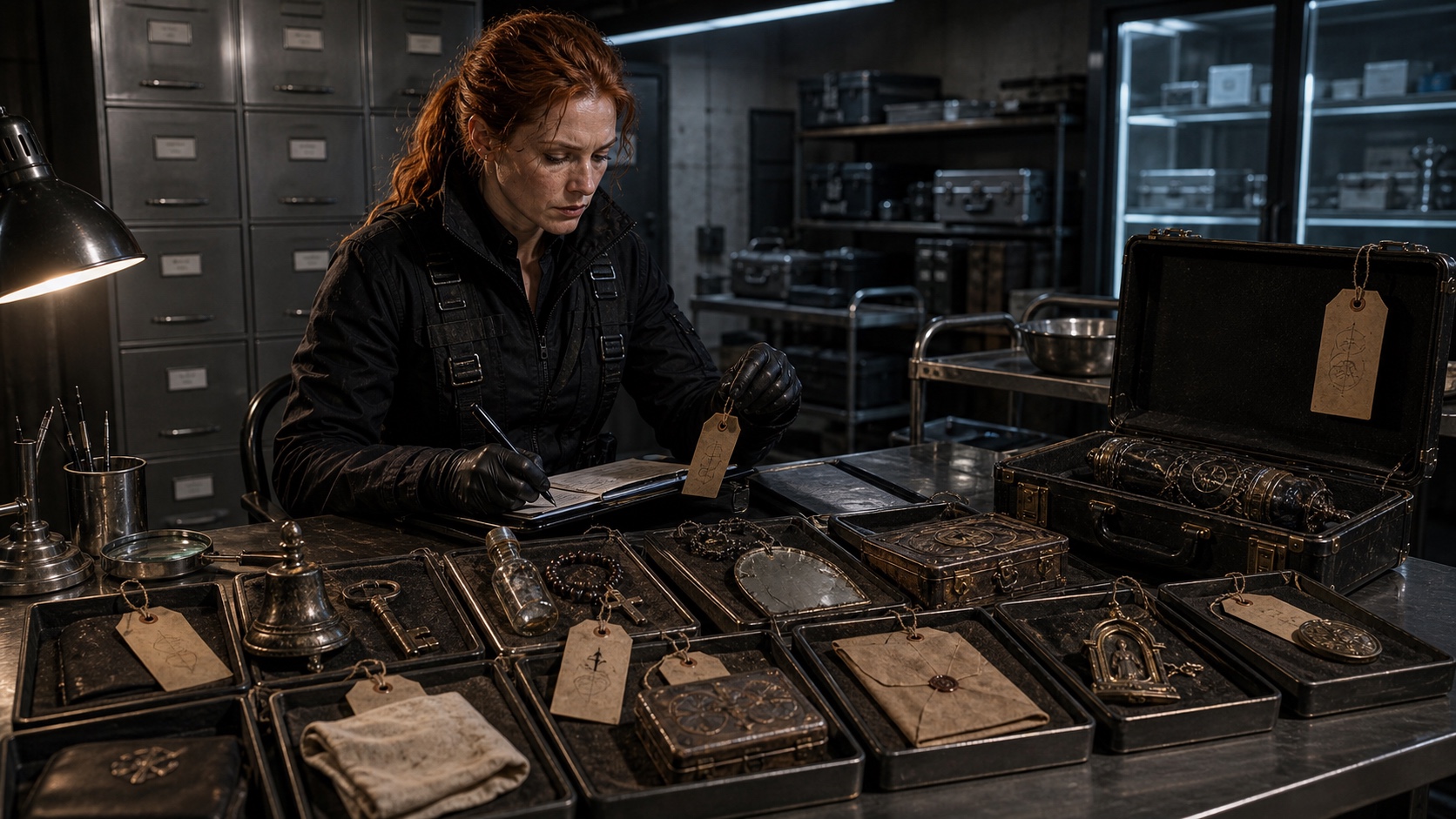
The Difference Between Relics and Cursed Objects
A relic is an object that carries supernatural charge as a consequence of what it is or what it was present for. The charge is intrinsic. It does not require ongoing maintenance, activation, or intent. A fragment of bone from a documented martyr carries divine presence because of what that person was, not because anyone has done anything to the bone recently. A vessel used in a successful demonic summoning carries infernal charge because of what happened inside it. The object absorbed something real.
A cursed object is an object that carries supernatural charge as a consequence of a specific binding, a deliberate act, ritual, or sufficiently concentrated spiritual event that attached an ongoing effect to the object. Curses are not intrinsic to the object. They are applied. This matters because curses can, in principle, be removed. Relic charge cannot.
In practice, the line blurs. An ancient relic that has been used in centuries of dark ritual may have acquired cursed properties on top of its intrinsic charge. A cursed object may carry such significant accumulated spiritual weight that it has begun to function like a relic. Sorting one from the other takes judgment as well as procedure, which is why experienced archivists are rare.
What both have in common: their charge is real, it produces effects, and careless handling has consequences.
The False Relic Problem
Churches and private collections worldwide contain thousands of items attributed to saints, apostles, and figures of biblical history. The overwhelming majority carry no detectable spiritual charge: they are historical artifacts, significant as objects of faith and devotion and nothing more.
Latchkey archivists spend considerable time on false relic investigation for two reasons: authentic relics sometimes surface inside collections of false ones, and certain parties have strategic interest in circulating convincing forgeries near an authentic item to obscure it.
A Class I assessment on a suspected relic that returns negative is itself a usable result.
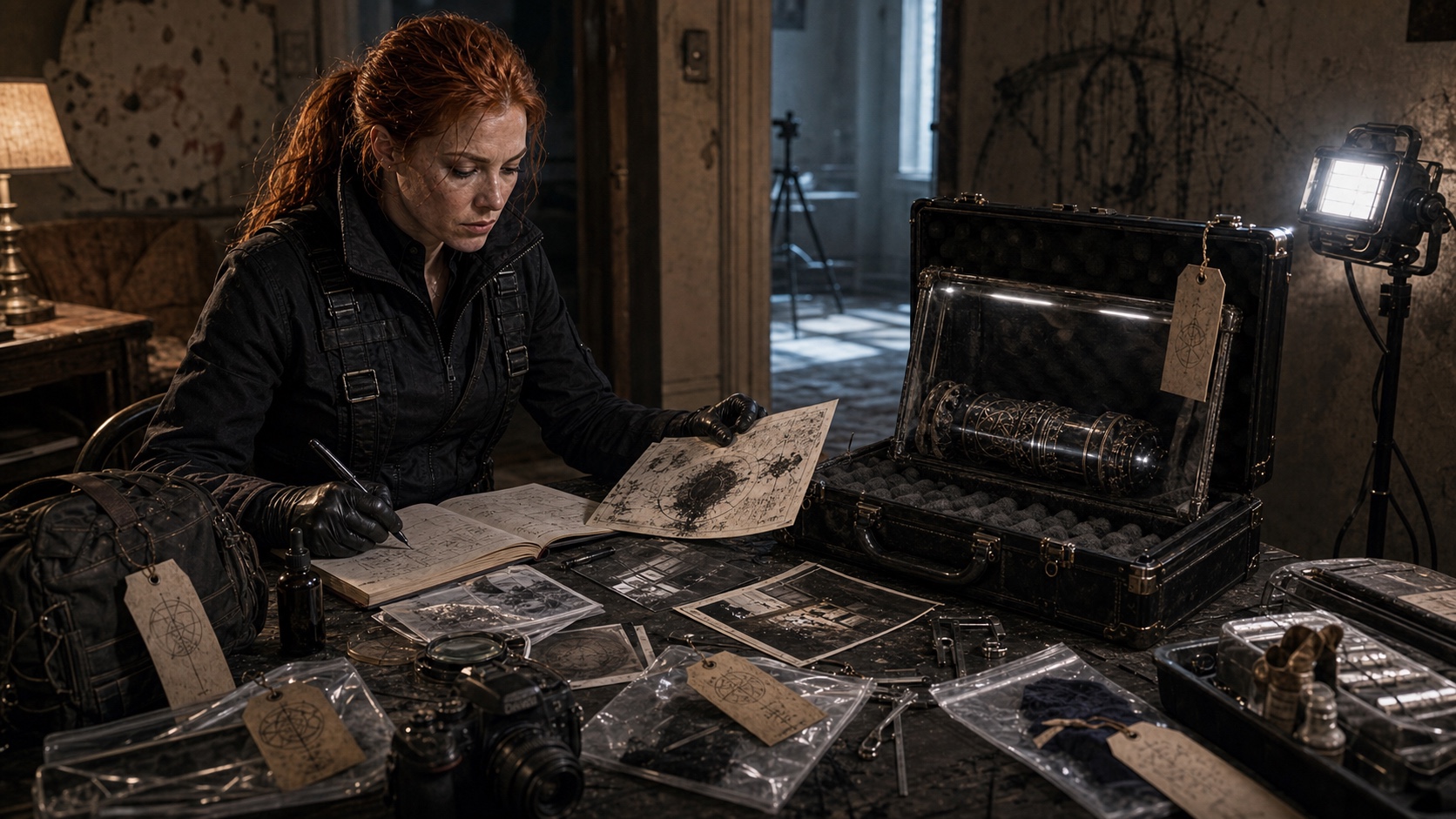
The Classification System
The Latchkey Archive uses a five-class system for categorizing relics and cursed objects. The classification reflects the object's current danger level and containment requirements, not its historical significance, spiritual origin, or relative holiness or corruption. A first-class relic from an apostolic source may be Class I (stable, ambient charge, low immediate risk) while a piece of common household furniture from a possession site may be Class IV (active, breach risk, immediate handling hazard).
Classification is not permanent. Objects can escalate (as spiritual charge intensifies or as their environment changes) or de-escalate (as charge dissipates over time or after successful intervention). Classification review is required whenever an object has been involved in a significant supernatural event.
Class I: Passive
The object carries detectable supernatural charge but produces no active effects under normal conditions. It does not cause harm to handlers, does not generate phenomena, and does not pose immediate containment risk. It may respond to specific stimuli (direct spiritual authority, the presence of certain entity types, proximity to Wound Sites), but does so passively.
Containment: Standard sealed container. Relic-grade handling gloves recommended but not mandatory. Standard documentation.
Identification Difficulty: Average
Class II: Active
The object produces consistent supernatural effects detectable without specialized equipment. Effects may be beneficial (ambient blessing in a space, reduced Wound escalation in the area), neutral (persistent visual or auditory phenomena), or harmful (low-grade spiritual drain, persistent cold, electronic interference).
Containment: Iron-lined case minimum. Relic-grade handling gloves required. Baseline documentation plus handling log. Provenance research recommended.
Identification Difficulty: Hard
Class III: Volatile
The object produces significant supernatural effects that endanger handlers and nearby persons, physically or spiritually. It may have triggered effects (dangerous responses to specific conditions), may interact unpredictably with Wound Sites or other charged objects, and may actively resist identification or containment. Long-term proximity without proper protection causes harm.
Containment: Lead-lined or specialized iron-lined container. Relic-grade gloves required. Full provenance documentation required. Quarantine protocols active. No solo handling.
Identification Difficulty: Severe
Class IV: Critical
The object represents a significant breach risk. Its effects are severe, potentially lethal, and may be difficult to predict or interrupt. It may be harmful to holy authority (reducing exorcists' effectiveness in proximity), attract or anchor demonic entities, or serve as a focal point for Wound escalation. Improper handling has caused deaths. Field exposure should be minimal and must be logged.
Containment: Maximum containment (Faraday Case for electronic-interfering objects; lead-lined container with consecrated sealing; no standard transport). Latchkey Archive authority required for handling decisions. Full breach response team on standby.
Identification Difficulty: Severe (extended check: multiple successes required)
Class V: Restricted
The object's properties are so severe, poorly understood, or specifically dangerous that standard protocols do not apply. Each Class V object requires an individual handling plan developed by senior Latchkey archivists, and its location is not disclosed beyond operational need. Some have no known safe containment and are handled in place rather than transported; others are effectively impossible to destroy and must be permanently isolated.
Containment: Individual containment plan. Location restricted to senior Latchkey personnel. No field transport without Archive Director authorization. Breach of a Class V object triggers emergency protocol response.
Identification Difficulty: Extreme (if possible at all)
Relic Identification
The Examination Process
Identifying an unknown object's classification is the first and most critical step in relic work. The process moves through three phases, each providing more information and requiring more time and expertise.
Phase 1: Passive Examination
No check required. The character observes the object at a safe distance without direct contact. They note its physical condition, apparent age, any visible markings or unusual properties, and any ambient phenomena in its immediate vicinity (temperature, sound, light behavior, emotional response in nearby persons).
This phase takes 1–5 minutes. It provides: general category (definitely supernatural / possibly supernatural / probably not supernatural), obvious visible phenomena, any immediate obvious danger signs.
Phase 2: Active Examination (Intellect + Relic Lore)
The character examines the object more closely: with appropriate protective equipment, using specialized knowledge. This may include spectral observation tools, provenance documentation review, cross-referencing known relic signatures, and material analysis.
Difficulty: equals the object's Classification
On Success: the character determines the object's Class, its primary effect category (holy/infernal/neutral/unknown), any immediate handling triggers (conditions that activate dangerous effects), and one specific handling rule.
On Success with Boon: additionally determines provenance category (age range, likely origin tradition or event type), whether any known archive records exist for this object, and one additional handling rule.
On Failure: the character determines less than the full profile. The GM reveals partial information. Class may be off by one step, effect category may be misidentified, handling triggers may be unknown. The character may attempt again after additional preparation or research.
On Calamity: the examination itself has triggered the object. Apply the object's primary effect immediately. The character must make a Composure check (Hard ) to avoid dropping the object.
Latchkey Archive Do Not Touch That passive: On any successful active examination of an active or unstable object, the archivist automatically learns one handling rule or trigger without spending a Boon.
Phase 3: Full Provenance Research (Intellect + Research, Extended Check)
The extended check that builds a complete profile of the object: its history, all known effects, all known handling requirements, known previous incidents, and its proper classification. This phase is conducted with archival resources and may require Dead Languages for older texts, Occult Lore or Theology for contextual interpretation, and contact with other scholars or faction resources.
This phase is not required for safe immediate containment: Phase 2 is sufficient for handling decisions. But Phase 3 determines whether long-term containment is viable, whether the object can be safely de-classified, and whether any faction has specific interest in the object.
Handling Rules and Protocols
Every active, volatile, critical, or restricted object has handling rules: specific conditions that must be followed to prevent the object from producing unintended effects.
Handling rules always include at least two of the following categories:
Contact Rules: what direct physical contact with the object does. Most objects require specific protective equipment. Some objects are safe to touch with bare hands; some are harmful to any unauthorized handler; some produce effects only on first contact; some require specific spiritual conditions (ordained status, clean hands, no Corruption above a threshold). Charged objects commonly respond to a handler's Corruption: as standing protocol, characters with Corruption 5+ do not handle or examine charged objects without oversight. Individual entries list the specific effects an object produces on a corrupted handler.
Proximity Rules: what being near the object does. Some objects produce ambient effects in a radius. Class III and higher objects commonly have proximity rules that apply to extended exposure even without direct contact.
Trigger Rules: specific conditions or actions that cause an escalated response. Common triggers: direct exposure to sunlight or darkness; specific words or names spoken near the object; the presence of specific supernatural entity types; use of specific spiritual authority (holy or infernal) in proximity; proximity to other charged objects; transit through Wound Sites.
Storage Rules: what the object requires to remain stable. Material of container (iron-lined, lead-lined, neutral wood, specific mineral compound). Orientation (some objects must be stored upright, face-down, or pointing a specific direction). Environmental conditions (darkness, specific temperature range, absence of electromagnetic interference).
Transport Rules: additional requirements when moving the object from its stored location. Transport restrictions are separate from storage restrictions because movement itself can agitate an object.
The Archive Does Not Know Everything
Latchkey protocols are built on documented experience. But most relics arrive at the Archive without complete documentation, and some arrive after the documentation has been burned, lost, or never existed. The handling rules for a newly discovered object are estimates until confirmed by incident. Archivists call this "living protocol", the rules that are working until something changes.
The most dangerous moment in relic handling is not when you break a known rule. It is when you don't know the rule you just broke.
Containment in Practice
The containment equipment available to Latchkey teams is described in Chapter Seven. This section defines how that equipment interacts with relic classification.
Standard Sealed Container: appropriate for Class I objects. Provides documentation integrity and prevents casual contact. Does not provide supernatural shielding.
Iron-Lined Case (Standard): appropriate for Class II objects. Iron has documented spiritual interference properties, it disrupts ambient charge transmission and provides moderate protection against ongoing effects. Insufficient for objects with active projection effects.
Lead-Lined Container: appropriate for Class III objects. Lead provides significant physical and spiritual shielding. Combined with iron lining (Archive-grade containers use both), it is effective against most ongoing transmission effects.
Faraday Case (Archive-Grade): appropriate for Class IV objects that produce electromagnetic or electronic-interference effects. The conductive shielding functions spiritually as well as physically for certain types of charge. Not a substitute for lead lining when physical spiritual shielding is required.
Consecrated Sealing Tape: applied to any container Class II or above. The consecration adds a spiritual seal that significantly reduces the risk of effect transmission through container seams. Must be applied by a character with Theology 1+. Requires re-application after any container opening.
Field Containment Barrier: temporary perimeter barrier for in-field stabilization of a volatile object. Buys time for proper containment to be established. Not a long-term solution.
Quarantine Tent: full-perimeter field quarantine for an object that cannot be safely moved. Allows documentation and initial assessment while maintaining physical distance and environmental containment.
Breach of Containment
Containment failure happens. Causes include: damaged containers, improper re-sealing after examination, transport that violates handling rules, proximity to other objects that trigger cross-reaction, and escalation events (Wound Site intensification in the storage area, for example).
When containment fails, apply the following procedure:
1. Immediate Response. All non-essential personnel evacuate the containment radius for the object's class (see Breach Effects by Class, below). Personnel with Relic Lore 2+ or Containment 2+ remain to manage the response.
2. Effect Assessment. Determine what the object is doing outside containment. A Relic Lore check (Difficulty equals Classification) allows the responder to determine the projected breach radius and duration before full escalation.
3. Stabilization or Re-containment. For Class I–III objects, re-containment using proper equipment is possible in field conditions. For Class IV, Archive Director authorization and a specialist team are required. For Class V, individual containment plans define the response.
4. Incident Documentation. Every breach is documented. Latchkey treats undocumented breaches as operationally equivalent to intentional destruction, both are serious offenses.
Breach Effects by Class:
Class I breach: Ambient effects spread to 10m radius. No immediate physical harm. Resolve with standard re-containment.
Class II breach: Active effects spread to 25m. Possible harm to unprotected handlers. Possible Wound Site activation if a dormant Shard exists in the area. Composure check (Average ) for all in radius or gain 1 Strain.
Class III breach: Volatile effects in 50m. Real physical risk: damage equal to the object's Class (3 WD for a Class III object, subtract Resistance) to unprotected personnel in 10m radius, once when the breach occurs. Possible entity attraction (GM judgment based on object type). Wound Sites within 100m may escalate one step.
Class IV breach: Significant danger across the full building; evacuate it entirely. Lethality possible. Entity attraction is likely. All Wound Sites within the building escalate one step. The breach event may itself generate a new Wound Site if it is sufficiently severe.
Class V breach: Individual response protocols. GM manages this as a major story event, not a routine complication.
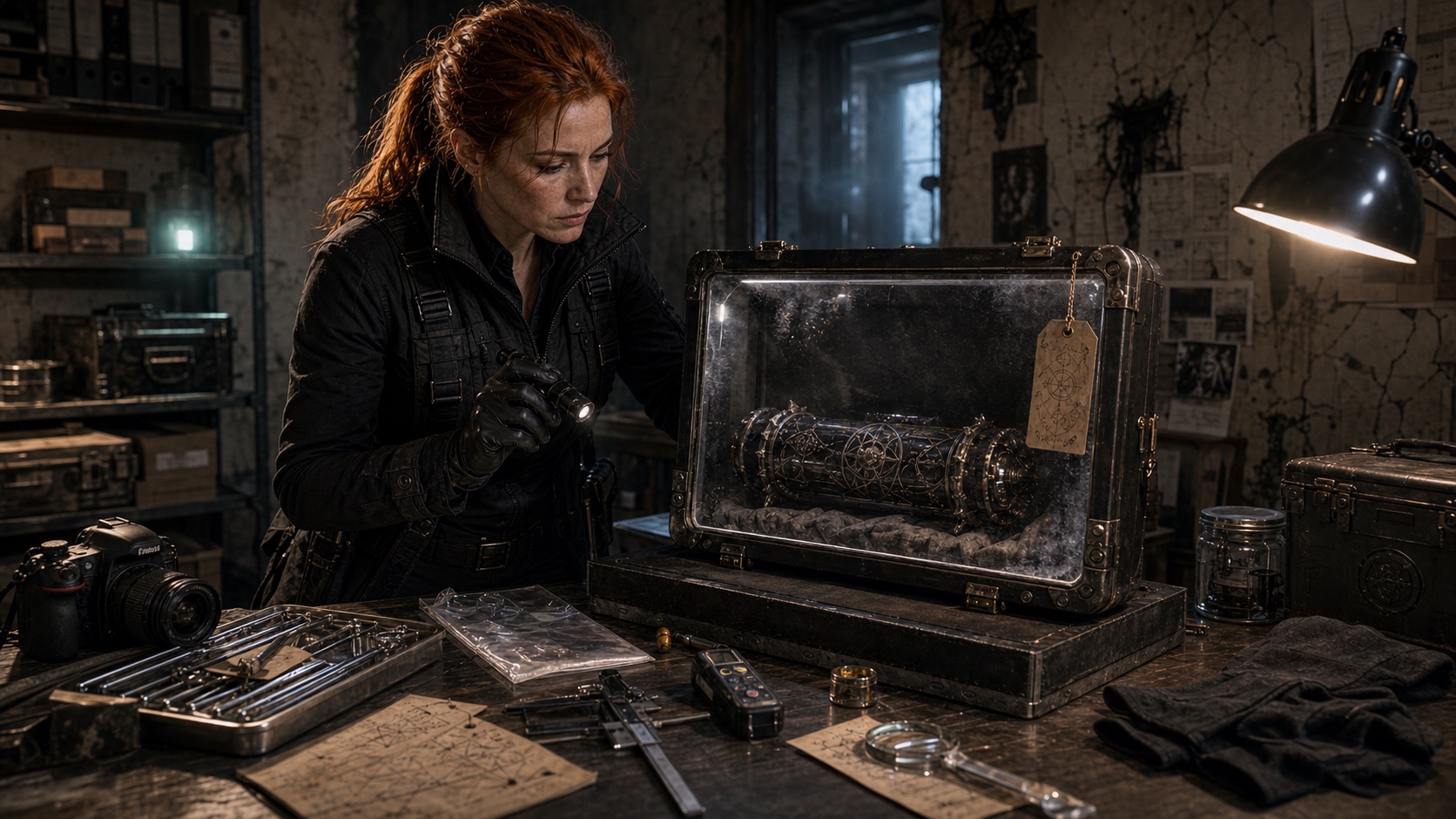
Cursed Objects
What a Curse Is
A curse is a spiritual binding attached to an object through deliberate ritual, significant supernatural event, or concentrated spiritual intent. Unlike relic charge, a curse is an applied condition: it has a source, a mechanism, and in most cases, the theoretical possibility of removal.
Curses vary in their transmission, their effects, and their breaking conditions. A curse's breaking condition is almost always tied to its origin, what was done to create it, what was taken in the act, what the intent was. Understanding the curse's history is the first step toward removing it.
Types of Curses
Binding Curses fix a specific effect to the handler or owner of the object. The effect activates upon acquisition and persists as long as the person remains in contact with or possession of the object. Effects include: compelled behavior (specific actions become irresistible under certain triggers), spiritual drain (ongoing Wound or Strain loss), or relationship with a supernatural entity (the entity now has access to the cursed person in ways it would not otherwise).
Haunting Curses attach a spiritual presence to the object. The presence cannot be banished as a ghost; it is bound to the object rather than to a location. The presence may manifest through the object or may use the object as a vehicle to affect the owner or handler.
Compulsion Curses produce specific behavioral effects in handlers. These may be subtle (a growing preference for certain decisions) or overt (specific actions become impossible to resist when triggered). Compulsion curses are among the most dangerous because they are the hardest to self-diagnose.
Drain Curses slowly draw from the handler's spiritual reserves. This may manifest as Wound Point loss, Strain accumulation, Corruption gain, or reduction in the effectiveness of holy authority. Drain is typically slow enough that the handler does not attribute it to the object.
Mark Curses apply a spiritual marking to the handler equivalent to Corruption gain: typically 1–2 points, applied immediately upon first contact and again periodically thereafter. The marking may attract specific entity types that track marked individuals.
Curse Transmission
Most curses transmit through ownership or sustained contact: they move from object to person when the person takes possession of the object with the intent of keeping it. Casual brief contact (picking something up to hand it to someone else, examining an object that will be returned) typically does not trigger transmission.
Some curses transmit differently:
- Contact-immediate curses trigger on any direct contact, even brief
- Proximity curses affect anyone in range regardless of contact: these are rare and represent serious Class III or IV objects
- Name curses activate when the specific name of the object or its associated entity is spoken aloud near the object
- Gaze curses require only visual contact with the object under specific conditions
When a curse transmits to a new handler, the original object may or may not retain its charge depending on the curse type. Binding and drain curses typically remain with the object and can transmit to subsequent handlers. Mark and compulsion curses may dissipate from the object once transmitted to a living person.
Curse Breaking
Breaking a curse requires understanding it. The following process applies:
1. Identification (Intellect + Relic Lore or Occult Lore)
Determine: what type of curse, what its origin tradition is (infernal contract, ritual binding, dark rite, event-generated), and its general breaking condition category. Average–Severe depending on how well the curse is concealed or how unusual its construction.
2. Research (Intellect + Research + Dead Languages if applicable)
Extended check to determine the specific breaking condition: what happened, what was used, what was taken, what must be restored or inverted. This may require historical records, witness testimony from entities, or physical investigation of the origin site.
3. Breaking (varies by curse type)
- Ritual dissolution: The breaking ritual specific to the curse's tradition. Requires appropriate skills (Theology, Occult Lore, Deliverance, or Forbidden Rites depending on origin). Hard–Extreme depending on curse severity and complexity.
- Condition fulfillment: The curse breaks when its underlying condition is resolved narratively (the truth is told, the injustice is corrected, the debt is paid). No check required, story resolution.
- Authority override: A sufficiently powerful spiritual authority can dissolve a binding: same mechanism as breaking a devil contract. Story event, not a routine check.
Because relic charge is intrinsic (see The Difference Between Relics and Cursed Objects), breaking a curse does not automatically remove the object's charge if the object was also carrying relic properties: a cleansed cursed relic may de-escalate in classification but retains its charge.
Curse vs. Possession
A compulsion or binding curse strong enough to completely override the handler's will may look like possession from the outside. The distinction matters mechanically: exorcism does not break curses. The entity (if there is one) attached to the curse operates through the object and the binding rather than possessing the handler. Attempting exorcism on a cursed but unpossessed person fails and may agitate the attached entity. The correct response is curse identification and dissolution, not rite of expulsion.
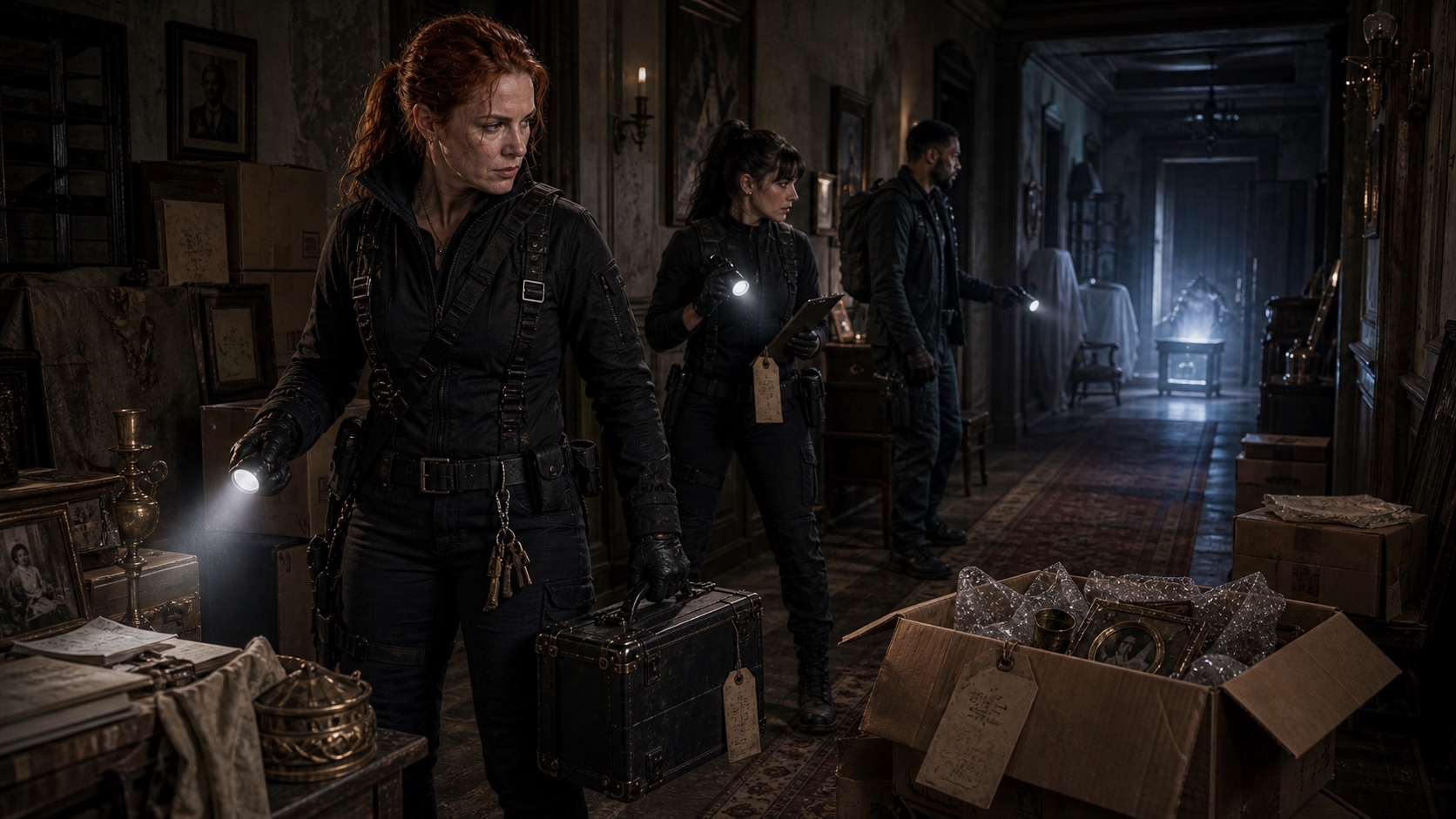
Acquiring Relics
Relics and cursed objects enter the field through several routes:
Inheritance and Estate Transfers. Objects pass through families, estates, and institutional collections without anyone knowing what they are. A grandmother's antique box may have been in the family for three generations without incident because the grandmother knew how to handle it and never told anyone.
Site Recovery. Objects associated with significant supernatural events are often still at those sites when investigators arrive. Recovery requires proper containment before transport.
Black Market. A functioning underground market in relics and charged objects exists, supplied by theft, deception, and the desperate sale of inherited items. Prices reflect zero provenance documentation and wildly varying classification accuracy. The Latchkey Archive and the Lantern Index both monitor this market; the Candleless are regular customers.
Confiscation. Law enforcement and intelligence adjacent factions (Lyncean, Vesper) may confiscate objects in the course of other operations and require assessment.
Surrender. People who have been living with cursed objects sometimes figure out, partially, that something is wrong. They may approach any visible supernatural-investigation faction with the object and a collection of alarming anecdotes. These surrenders require immediate response and often lead to significant archival finds.
The Relic Registry
The Latchkey Archive maintains the most comprehensive index of identified relics and cursed objects in the world. The Registry is not public. Access is tiered by clearance:
- Open Registry: Item class, general type, location. Available to Latchkey members and approved partner factions.
- Restricted Registry: Handling rules, full provenance, breach history. Latchkey members with Relic Lore 2+ or by Director authorization.
- Deep Registry: Class IV and V items, location of permanently isolated objects, known uncontained objects. Senior archivist access only.
Other factions maintain their own smaller lists: the Lantern Index's scholarly catalog, the Order of Mercy's diocesan records of significant relics, the Candleless's operational acquisition log. None are as comprehensive as the Latchkey Registry, and none are as carefully maintained, the Candleless log in particular is organized in ways only the individual compilers understand.
Operational Relics and Focus Objects
Some relics and cursed objects are useful enough to carry into the field, and that usefulness is part of the danger. The Latchkey Archive calls these operational relics: objects that can be carried, activated, worn, opened, read, spoken through, or otherwise used in field conditions to enhance a character's capabilities. The Order of Mercy may call some of them sacramentals; the Lantern Index may call them witnesses; the Candleless may call them tools.
Operational relics cannot be bought during a shopping scene unless the campaign is deliberately about black-market relic trade. They enter play through recovery, faction loan, theft, inheritance, surrender, or a bad decision. A player character may use one only if the GM is willing to let the consequences of ownership matter.
Using an Operational Relic
When a character uses an operational relic, apply the item's listed effect and then apply one of the following costs if the item calls for it:
| Cost Type | Usual Use |
|---|---|
| Strain Cost | Holy, neutral, or protective objects that exhaust the user without staining them |
| Bane Backlash | Unstable objects that work, but make the next related check riskier |
| Corruption Risk | Infernal, coercive, blood-fed, or identity-altering objects |
| Attention | Objects that notify a faction, entity, devil, ghost, or prior owner when used |
| Attachment | Objects that begin to treat the user as a holder, vessel, witness, or debtor |
Unless an entry says otherwise, an operational relic may provide only one of the following mechanical benefits to a single check:
- add 1 Boon die
- remove 1 Bane die
- upgrade one Ability die to a Mastery die
- permit a check that would otherwise be impossible
- reduce difficulty by 1 step, minimum 1 Trial die
If an item gives more than one of these benefits, it should also impose an immediate cost: Strain, Wounds, Corruption, a binding condition, or attention from something that matters.
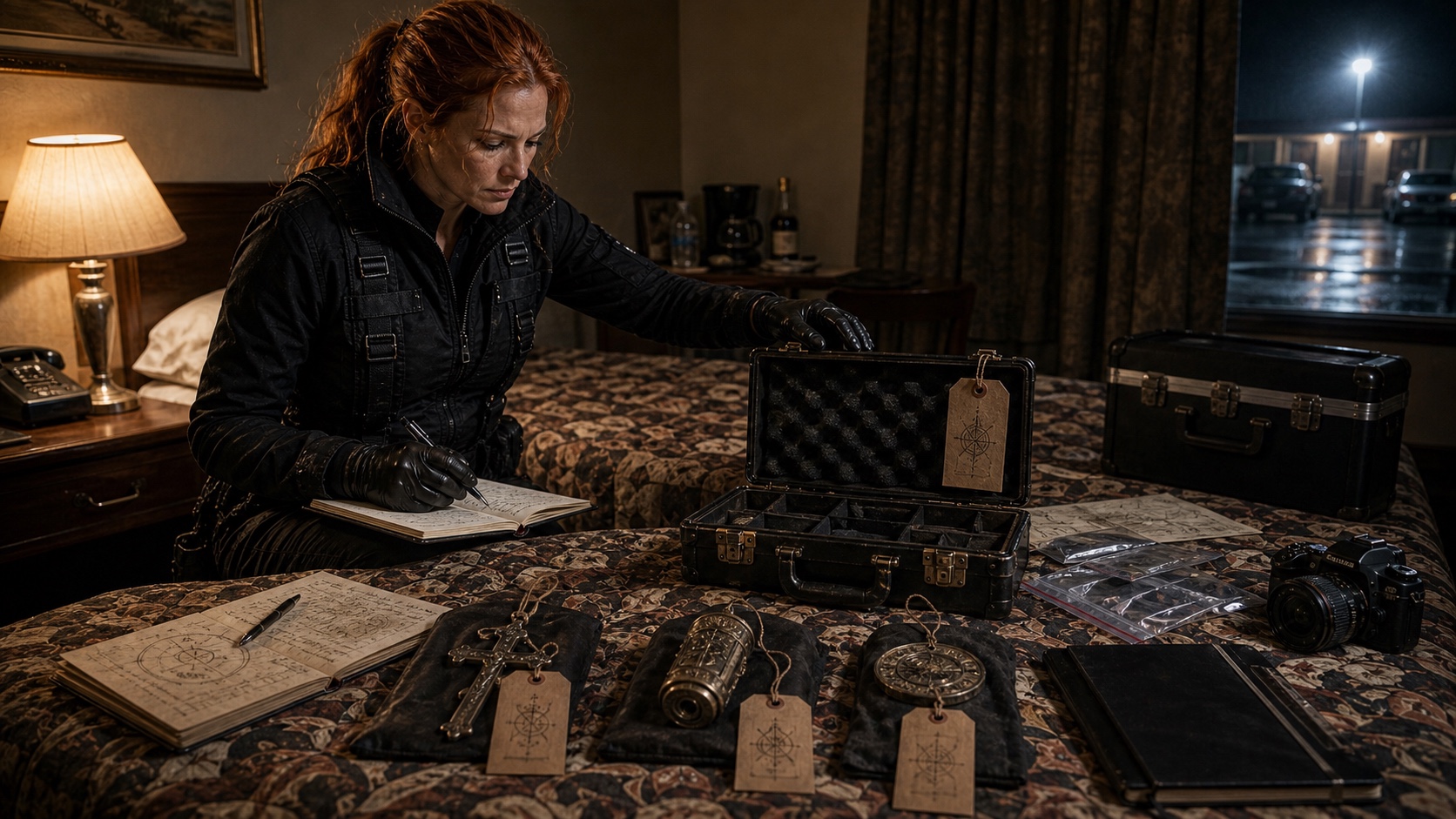
Focus Objects
A focus object is a relic or charged object that helps a specific kind of working: it makes a trained person better at the thing they can already do, without replacing talents.
| Focus Type | Helps With | Typical Benefit | Typical Risk |
|---|---|---|---|
| Rite Focus | Exorcism, consecration, confession, binding prayer | add 1 Boon die or remove 1 Bane die | fails or inverts for corrupt users |
| Name Focus | True Name work, Dead Languages, binding words | upgrade one Ability die | speaks back, records the speaker |
| Threshold Focus | Warding, banishment, Wound sealing | reduce difficulty by 1 step | opens the wrong threshold on Calamity |
| Relic Focus | Containment, identification, breach response | add 1 Boon die to Relic Lore or Containment | misclassifies one detail on Bane |
| Infernal Focus | Forbidden Rites, devil contracts, counterfeit holiness | strong benefit, often two effects | Corruption, claim, or possession risk |
Occult Attachments
Some occult objects are made to be worn into the body rather than carried.
The hands of dead occult leaders. The eyes of executed seers. The tongue of a contract-saint who betrayed the people who trusted him. Their power comes from the person they belonged to, whose choices, rituals, and sins left marks on the world.
Attaching such an object to a living body is always a Forbidden Working: desecration, possession-adjacent binding, and spiritual trespass at once. It requires sacrifice, produces Corruption, and leaves evidence. Most occult attachments are adversarial objects. If player characters use one, the GM should treat the choice as a major story turn.
Use the Forbidden Working rules in Chapter Twelve for grafting procedures. As a default:
- Installing a minor attachment requires major bloodletting and causes 1 Corruption.
- Installing a significant attachment requires human bloodletting, a destroyed relic, or a devil contract and causes 2 Corruption.
- Installing a major attachment requires human sacrifice, surrendered true name, or equivalent atrocity and causes 3+ Corruption.
- Removing an attachment requires curse breaking, spiritual surgery, and an act of restitution or destruction tied to the item's provenance (each entry lists specifics).
An attachment's benefit should always have a visible cost. If it grants claws, the hands are no longer fully human. If it grants night sight, daylight hurts. If it grants Might, it deforms the body and changes how holy spaces react to the character.
Operational Relic Catalog
These entries are not the complete Latchkey Registry. They are examples of the kinds of objects a GM can place in a case when the table needs a useful, tempting, dangerous tool.
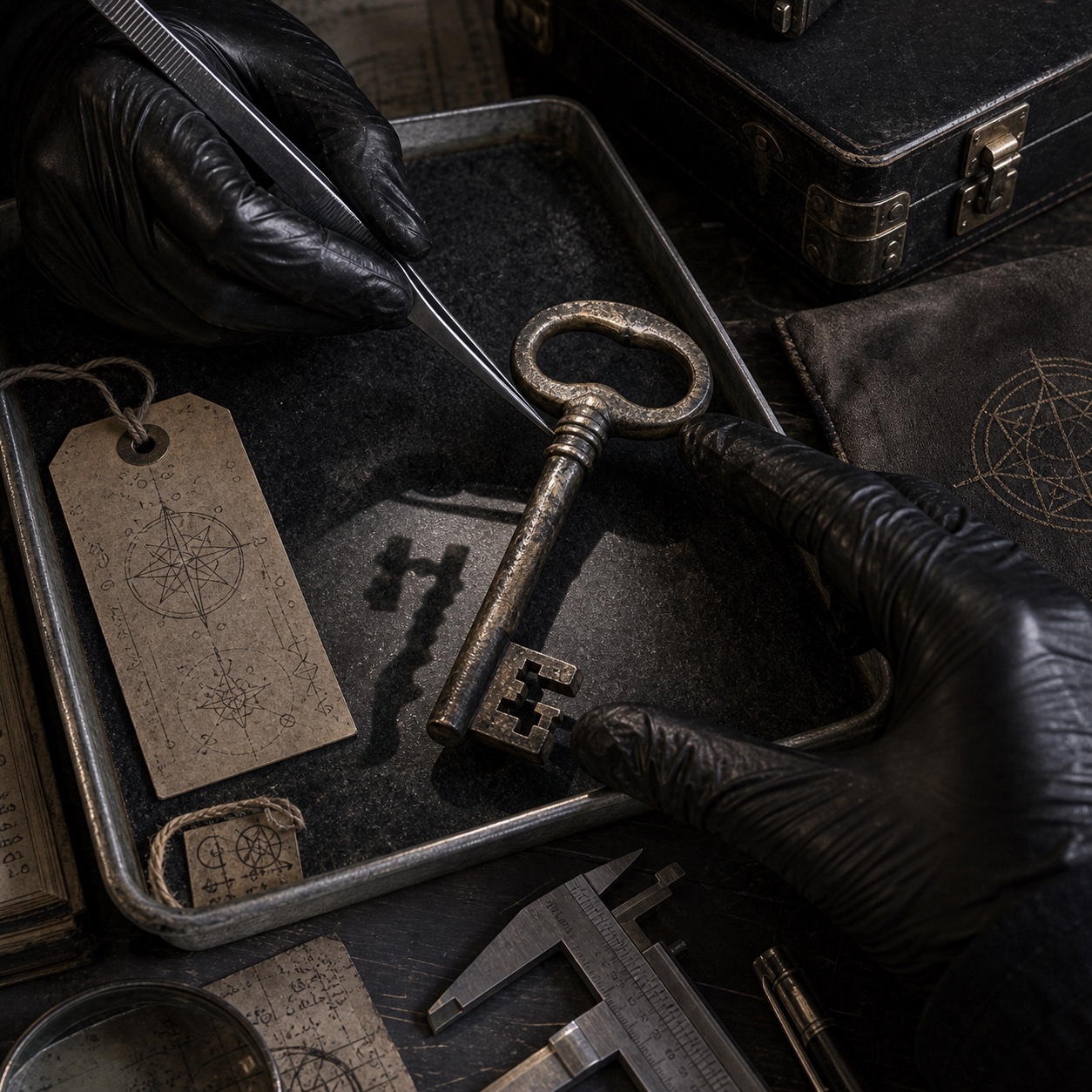
The Key of Saint Dismas
Classification: Class V: Restricted
Type: Threshold focus / mythic key
Appearance: No two witnesses agree on the exact shape of the bit. The rest is stable: a black iron key, bow worn smooth from use, the metal older than its teeth should allow.
Active Effects: Once per campaign arc, if placed into any ordinary lock and turned while the bearer names a specific dead person, the key opens the door into a controlled purgatory threshold. The threshold remains open for one scene or until the bearer closes the door from the living side. The key does not guarantee that the named soul is present, reachable, or willing to be found. It only opens the way.
Mechanical Use: Opening the threshold requires Willpower + Theology, Dead Languages, or Discernment, Extreme . The Lamed Vav may use Dead Languages; the Order may use Theology; a medium may use Discernment. On success, the threshold opens. On Breakthrough, the passage is stable enough that one additional person may cross safely. On failure, the door opens onto the wrong part of purgatory or onto a waiting soul that heard the name. On Calamity, the bearer's name is heard, and kept, by something on the other side.
Cost: Everyone who crosses gains 1 Strain immediately. Any character with Corruption 5+ also gains 1 Corruption unless they entered for an act of sincere reconciliation or restitution.
Handling Requirements: Do not store in a building with more doors than people. Do not leave the key in a lock. Assign a person to close the door before any use.
GM Notes: Hold the key back until the story is ready for its consequences. Introduced at the right moment, it can solve an impossible problem, retrieve a lost truth, or give a damned or wandering soul one scene to speak. Introduced casually, it can tear the campaign open.
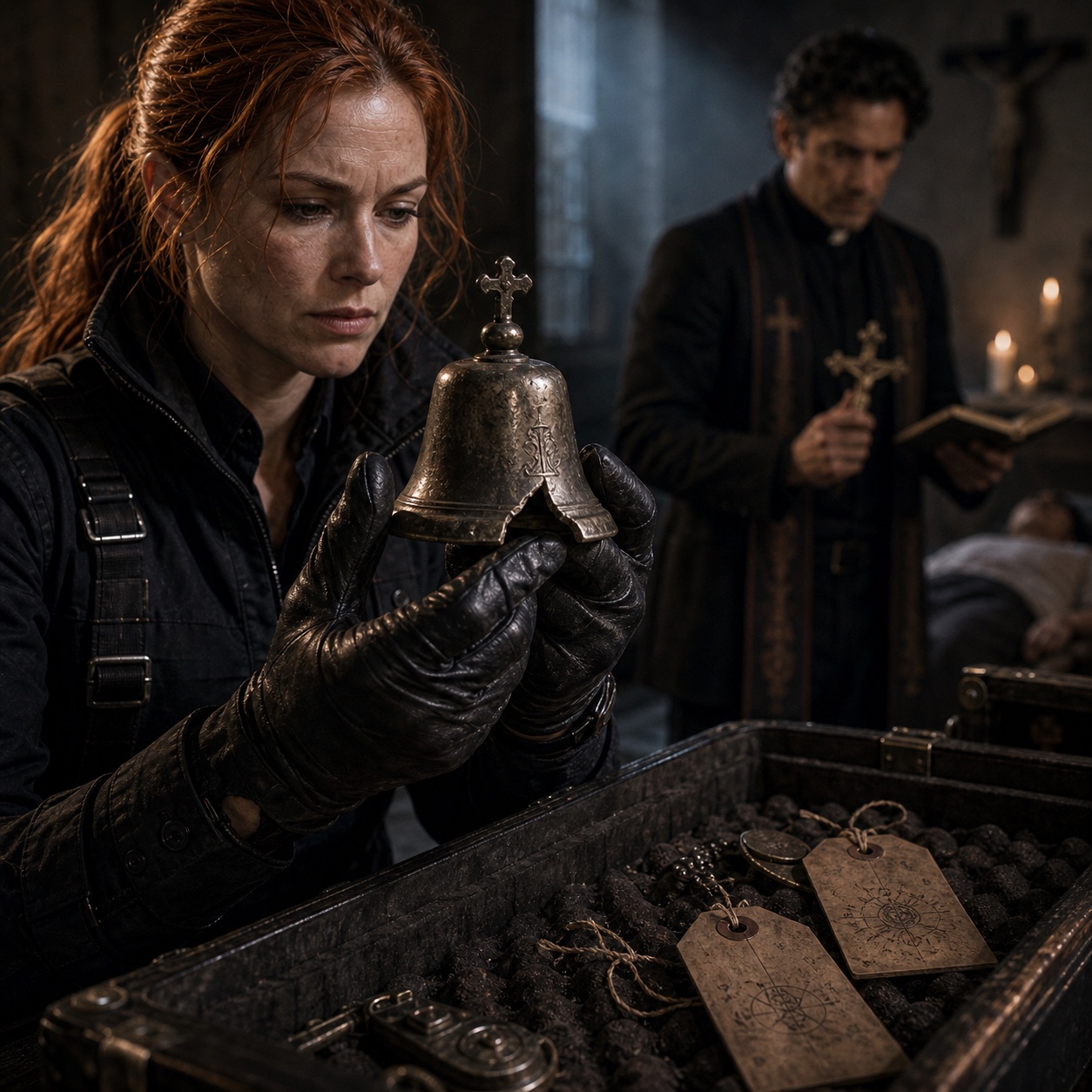
The Bell of the Ninth Hour
Classification: Class III: Volatile
Type: Exorcism / banishment focus
Appearance: A palm-sized bronze bell, rim cracked, no maker's mark. In the hands of anyone who has never seen possession firsthand, it will not ring.
Active Effects: When rung during Exorcism Stage 3 (Binding), Spirit Banishment Phase 3, or a Tzror capture attempt, the bell forces the entity to answer one direct command or question before the check is rolled.
Mechanical Use: Add 1 Boon die to the next Binding, Banishment, or Tzror capture check made in the scene. If the entity is demonic, also remove 1 Bane die caused by its Stage 4 interference.
Cost: The ringer takes 2 Strain. On any Bane result, the entity learns one emotionally significant memory from the ringer.
Handling Requirements: Safe in an iron-lined case. Do not ring for demonstration.
GM Notes: Bring the bell out when an exorcism needs one honest answer from the entity before the binding lands. It strengthens the ringer's position without deciding the fight.

The Lumen Glass
Classification: Class II: Active
Type: Detection focus
Appearance: Until candlelight touches it, the cracked lens in this brass frame is too cloudy to see through.
Active Effects: Reveals the outline of active Wound influence, possession pressure, or residue left by recent Forbidden Workings.
Mechanical Use: Add 1 Boon die to Discernment, Occult Lore, Relic Lore, or Monster Lore checks made to identify supernatural residue. Once per session, the user may remove 1 Bane die caused by Merciful Dissonance or environmental confusion on such a check.
Cost: If used at a Weeping Wound or Breach, the user takes 1 Strain and sees one image from the Wound's history that may not be chronologically honest.
Handling Requirements: Keep wrapped in dark cloth. Direct sunlight blanks the lens for one day.
GM Notes: Use the glass to feed the players direction, category, and contradiction. Its answers should point at the case rather than close it.

The Rosary of Unfinished Names
Classification: Class III: Volatile
Type: True Name / dead language focus
Appearance: Several beads of an otherwise ordinary rosary have been replaced with small bone fragments, each carved with a single letter in a different alphabet.
Active Effects: When used during True Name research, dybbuk identification, or Reconciliation, the rosary pulls loose name-fragments toward the user.
Mechanical Use: Upgrade one Ability die to a Mastery die on a Dead Languages, Theology, or True Name related check. If the check succeeds, the GM must provide one accurate fragment: syllable, title, original language, family name, or burial name.
Cost: On any Bane result, the user speaks one of their own names aloud without intending to. On Calamity, something listening may use that name later.
Handling Requirements: Do not use around mirrors, open water, or active recording devices.
GM Notes: Offer this to Lantern Index or Lamed Vav characters; they get the most from it. Have name-fragments prepared in advance, because the rosary obligates the GM to hand over an accurate one on every success.
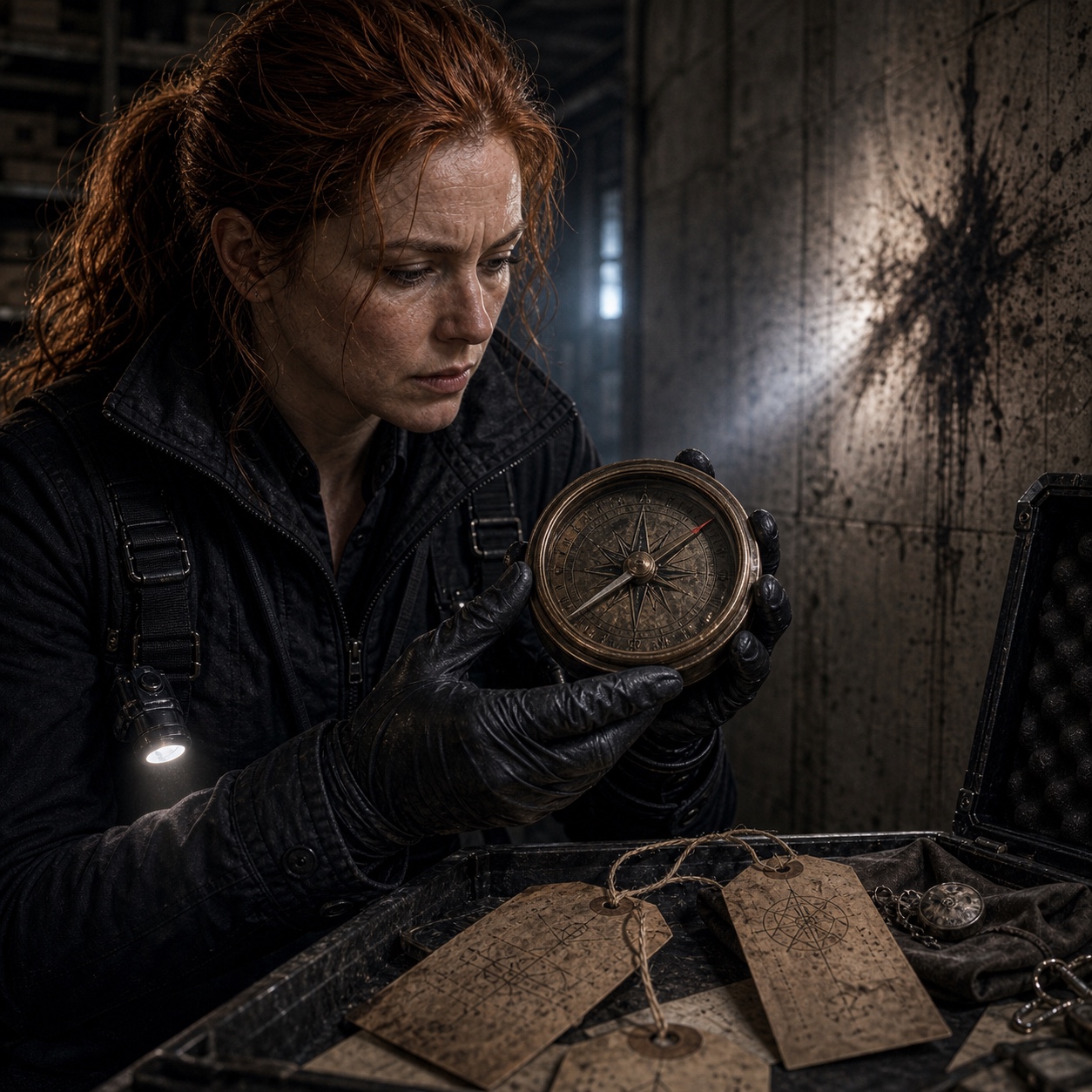
The Archive Compass
Classification: Class II: Active
Type: Relic operations focus
Appearance: A standard military lensatic compass. The needle ignores north.
Active Effects: The needle points toward the highest-class relic, cursed object, or active occult anchor within 100 meters.
Mechanical Use: Add 1 Boon die to Relic Lore or Containment checks made to locate, triage, or prioritize active objects. In a breach scene, the user may ask the GM which object must be secured first.
Cost: The compass ignores human danger. It may point the team past a dying person toward a worse object.
Handling Requirements: Store away from Class III+ objects or it spins continuously and becomes useless for one scene after retrieval.
GM Notes: Drop the compass into containment cases with more live objects than the team can triage at once. It turns the order of securing them into a decision the players make and have to live with.
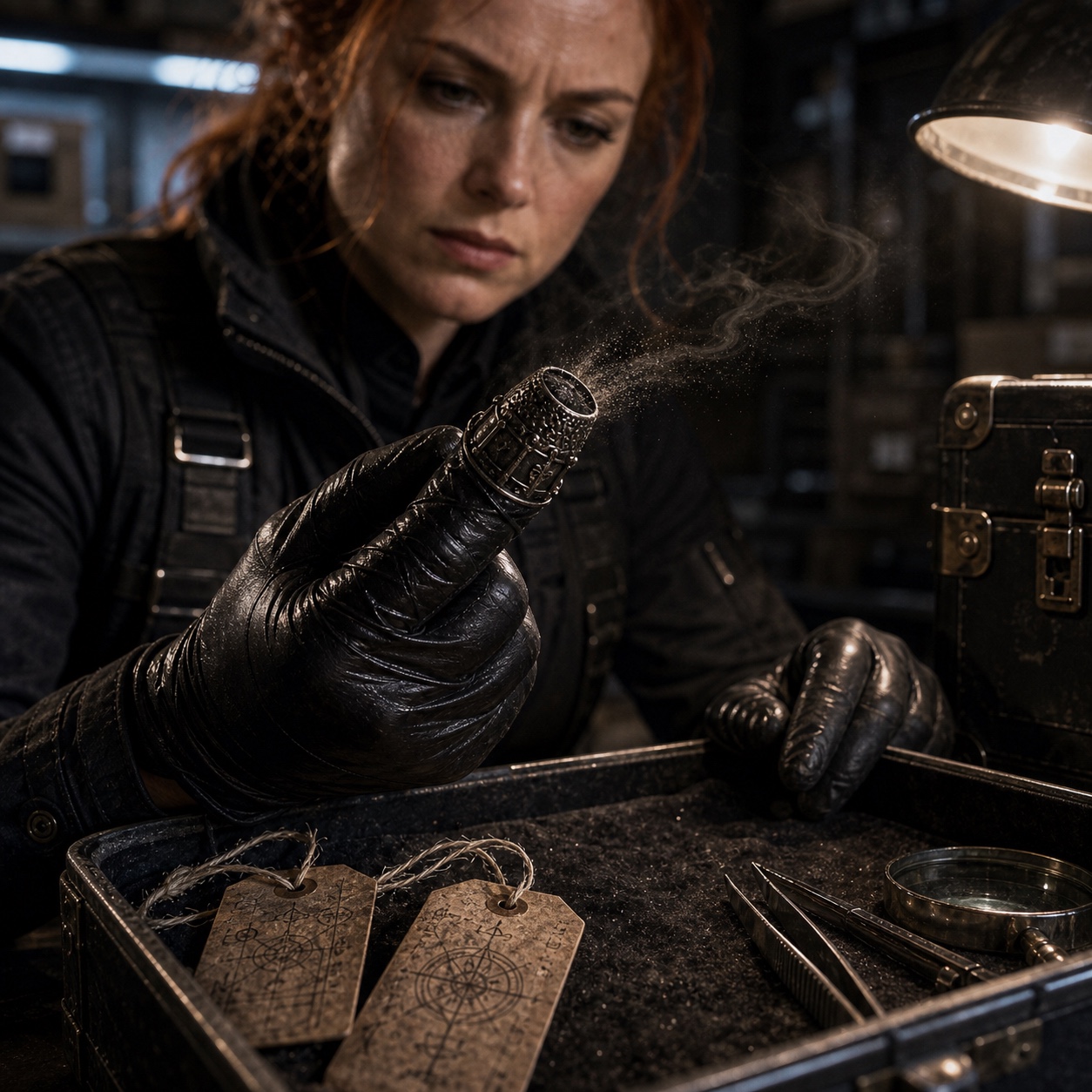
The Ashen Thimble
Classification: Class II: Active
Type: Curse-breaking focus
Appearance: A blackened silver thimble sized for a small hand, carrying the faint smell of extinguished candles.
Active Effects: Lets the wearer touch a curse's binding thread directly.
Mechanical Use: Remove 1 Bane die from a curse identification, curse breaking, or containment-seal repair check. If the check succeeds with Boon, the wearer may learn one breaking condition tied to the curse.
Cost: The wearer loses feeling in the fingertip used for one day. On Calamity, the curse marks the wearer as a temporary holder.
Handling Requirements: Do not wear longer than ten minutes. Do not sleep while wearing.
GM Notes: Introduce the thimble after a curse has already cost the team something. A kit upgrade lands harder when the players remember working without it.

The Thorn Reliquary
Classification: Class III: Volatile
Type: Warding / sanctity focus
Appearance: A medieval reliquary containing a thorn that may or may not be what its attached label claims. The metalwork is authentic, the thorn disputed, and the effect documented either way.
Active Effects: A ward drawn while holding the reliquary bites harder against demonic or infernal intrusion.
Mechanical Use: Add 1 Boon die to Warding or Consecration checks. If used to reinforce an existing ward, remove 1 Bane die caused by site Corruption or Wound pressure.
Cost: The user's palm bleeds for 1 WP that cannot be reduced. If the user has Corruption 5+, the reliquary does not function and instead burns them for 1 additional Strain.
Handling Requirements: Cloth wrap, consecrated case. Must be rewrapped after each use.
GM Notes: A workhorse ward focus for Order of Mercy characters. Play it quiet and old; the bleeding palm keeps the benefit from feeling free.

The Black Psalter
Classification: Class IV: Critical
Type: Infernal text / Forbidden Rites focus
Appearance: A hand-bound book of psalms copied in reverse order, its margins reportedly more crowded each time a reader looks away. The ink has iron, blood, and something the Archive has not identified.
Active Effects: The book teaches the shape of a working by making the reader understand what a good rite would look like if inverted.
Mechanical Use: A character using Forbidden Rites or Practical Occultism may reduce the difficulty of one counter-ritual, counterfeit rite, or working analysis check by 1 step. If used to perform rather than interrupt a Forbidden Working, also upgrade one Ability die .
Cost: Reading from the psalter for performance causes 1 Corruption. Reading from it for counterwork causes 2 Strain. On Calamity, the psalter adds the reader's handwriting to one margin and later contains something they have not yet done.
Handling Requirements: Two-person supervision, no copying, no photography, no reading aloud unless actively working.
GM Notes: The psalter is a trap that pays out. Hand it to a group that needs to interrupt Forbidden Workings, then watch who starts reading for other reasons. It teaches procedure by inversion, which is why the Archive keeps it under two-person watch.

The Mercy Hook
Classification: Class III: Volatile
Type: Stain reducer / restitution focus
Appearance: Recovered from a prison chapel: a small iron hook wrapped in blue thread. It catches on clothing, paper, and rosary chain links, though it cannot pierce flesh.
Active Effects: Hooks a specific act of Corruption to the restitution that could answer it.
Mechanical Use: Once per character, after a successful Confession, accountability scene, or restitution research check, the hook lets the player ask: "What must I repair to reduce this specific Corruption?" The GM answers honestly. If the character completes that act, they may reduce Corruption by 1 even if they already reduced Corruption that week.
Cost: Until the restitution is complete, the character adds 1 Bane die to checks made to avoid responsibility for that event.
Handling Requirements: Safe to handle. Do not use on a character who does not consent.
GM Notes: Use the hook when a player wants redemption to be concrete. The question it answers turns Corruption from a number into an obligation the character can actually complete.
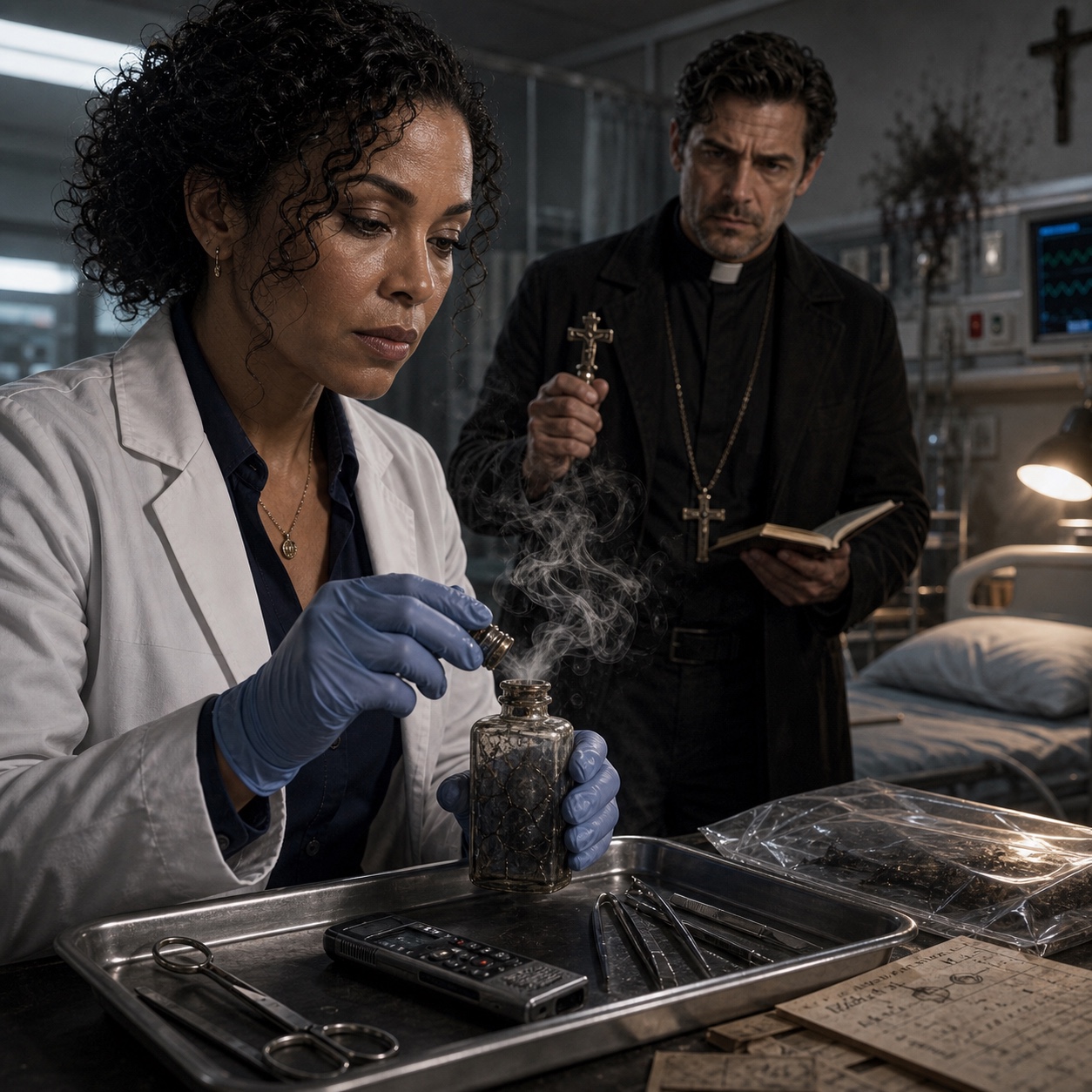
The Saint's Breath Bottle
Classification: Class II: Active
Type: Recovery / holy focus
Appearance: The fog inside this stoppered glass bottle appears only during prayer.
Active Effects: When opened in a sickroom, trauma scene, or possession aftermath, the air becomes easier to breathe.
Mechanical Use: Once per session, remove 1 Bane die from Medicine, Composure, Deliverance, or post-exorcism recovery checks made in the room. If the check succeeds, one affected character also recovers 1 Strain.
Cost: The bottle goes clear after use and cannot function again until it has spent a full night in a consecrated space.
Handling Requirements: Do not open casually. If opened at a Wound Site without prayer, it fills with ash and becomes inert until cleansed.
GM Notes: Best in the hands of support characters. Deploying it is an act of care rather than a gamble, which is rare among relics and worth showcasing.

The Red Thread Camera
Classification: Class III: Volatile
Type: Investigation / MD contradiction focus
Appearance: A 1970s instant camera that produces photographs whether or not it is loaded with film. Red thread is tied around the flash housing.
Active Effects: Photographs taken during active supernatural events show one contradiction Merciful Dissonance will try to erase.
Mechanical Use: Add 1 Boon die to Investigation, Forensics, or Impossible Evidence checks relying on the photograph. Once per case, the photo can preserve one clue that mundane authorities would otherwise discard or reinterpret.
Cost: Each use creates a second photograph somewhere else: in a cult file, devil's archive, ghost's room, or faction office. Someone else now knows the camera was used.
Handling Requirements: Store without film. Do not photograph faces unless necessary.
GM Notes: Built for evidence-driven cases. It creates proof and a new problem at the same time.

The Tzrorim Needle
Classification: Class III: Volatile
Type: Tzror / human-soul possession focus
Appearance: A bone needle in a cedar tube. The thread that accompanies it never runs out; no metal edge can cut it.
Active Effects: Helps bind a free-floating human soul into a prepared Tzror without tearing it further.
Mechanical Use: Add 1 Boon die to Tzror capture checks. If used after a wrong-tool exorcism on a dybbuk or ibbur, remove 1 Bane die caused by the soul's panic or disorientation.
Cost: The user hears the soul's last human fear for the rest of the scene. If the user ignores a clear opportunity for mercy afterward, gain 1 Strain.
Handling Requirements: Only use with a prepared vessel. Never use on a demon.
GM Notes: Hand this to a Lamed Vav or Lantern Index character after a wrong-tool exorcism goes bad. It turns a soul-capture scene from a horror beat into a chance at mercy.
Cost: Blessings, healing prayer, and Medicine checks performed on the wearer add 1 Bane die ; the body being treated does not answer as a living one. The dead recognize their own. Ghosts, revenants, and unsettled remains address the wearer directly and expect answers. On Calamity during a check made in the presence of the dead, one of them follows the wearer home and stays.
Removal: The heart must be returned to its owner's body and the interrupted burial completed in full, with the family present or formally represented. If the family cannot be found, someone must agree to stand as family and mean it.
Note: Empty Pulse, the Tainted Corrupt Body Manifestation in Chapter Eight, also makes a character read as dead. Empty Pulse conceals from mundane medical examination and grows from accumulated Corruption. The Unburied Heart conceals from the supernatural and is installed on purpose. They cover different audiences and can both be present on the same character, who will find that no one, living or dead, agrees on what they are.
The Unburied Heart
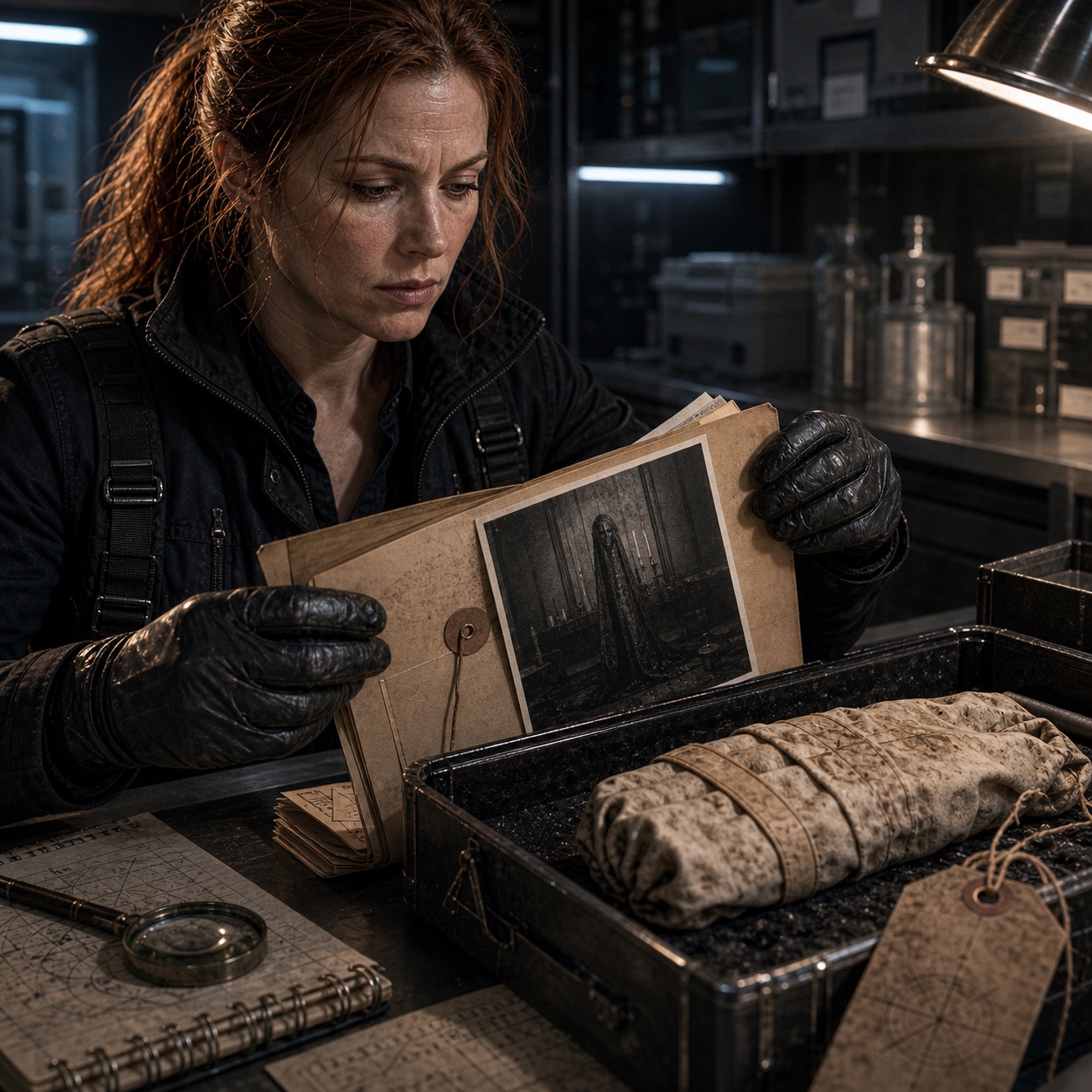
Classification: Class IV: Critical
Type: Occult attachment / prepared corpse's heart
Appearance: A preserved human heart, washed and wrapped in funeral preparation cloth that has never been cut away. The linen is still damp. Archive photography is taken through the wrapping.
Grafting Requirement: The heart must come from a body that was prepared for burial and then never buried. The wearer must be washed, wrapped, and laid out as a corpse by another person, remain still through a full night, and pass a Willpower + Forbidden Rites check, Severe . Installing the heart causes 2 Corruption. It is set beside the wearer's own and does not beat. On failure, the wearer wakes to find their own funeral rites already spoken over them, and takes 2 Strain each time they are alone in the dark for the rest of the case.
Active Effects: The wearer reads as dead to anything that hunts the living. Entities searching by warmth, breath, appetite, or spiritual signature pass over the wearer the way they pass over furniture.
Mechanical Use: Add 1 Boon die to Stealth, Composure, or Containment checks made to avoid the attention of a supernatural entity. Once per session, when an entity would detect, target, or single out the wearer, the wearer is simply overlooked for one round: long enough to move, close a door, or get someone else out of the room.
Occult Attachment Catalog
The following items are almost never issued by legitimate factions. Most are contraband, evidence, or active threats. They are included so GMs can make occult temptation concrete.
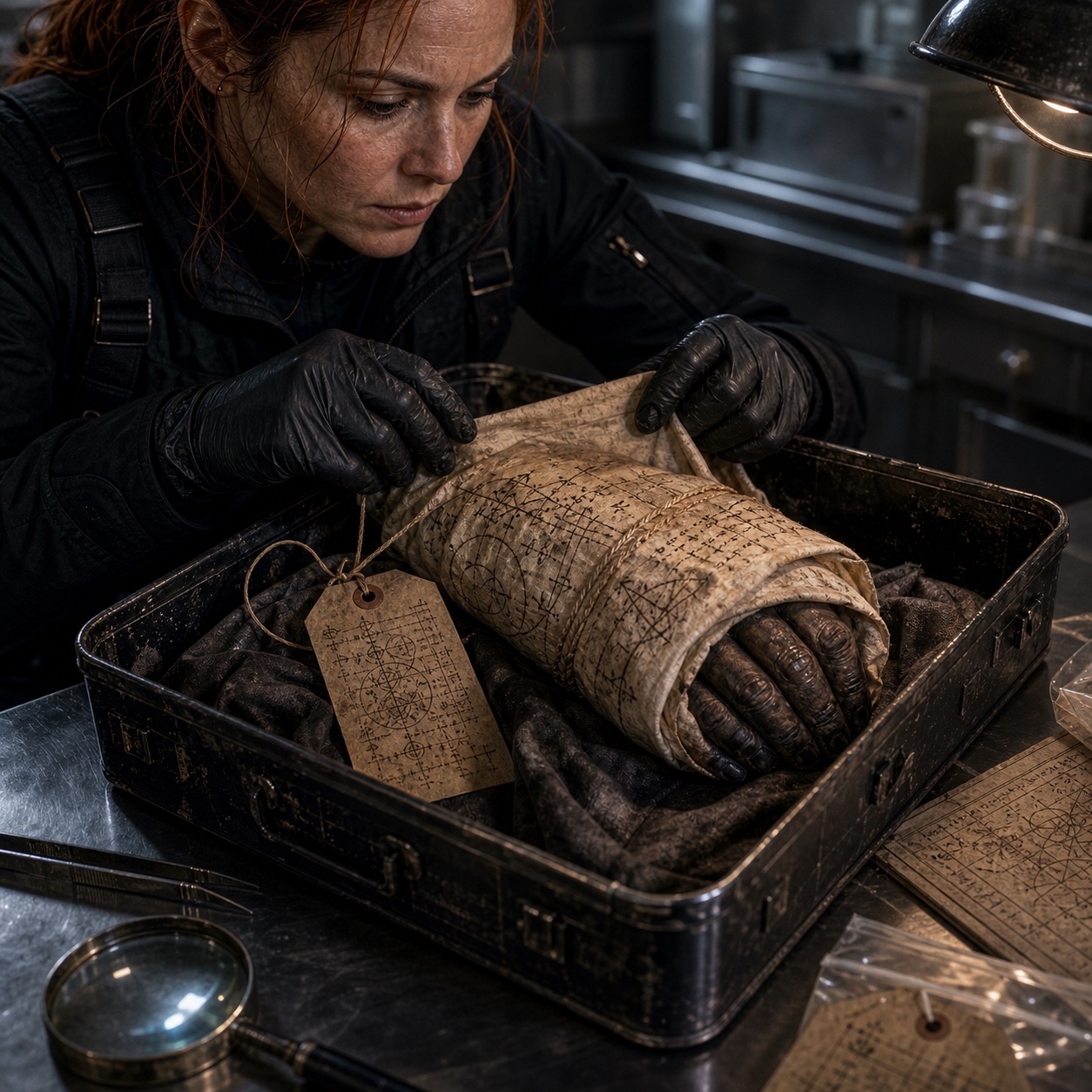
The Right Hand of Malachi Venn
Classification: Class IV: Critical
Type: Occult attachment / dead leader's hand
Appearance: A preserved right hand, blackened at the fingertips, wrapped in funeral linen marked with contract notation.
Grafting Requirement: Human bloodletting from the intended wearer, destruction of a blessed object, and a Willpower + Forbidden Rites check, Severe . Installing the hand causes 2 Corruption. Failure lets the hand act independently for one scene; on Calamity, it attempts to complete the working on the nearest wounded person.
Active Effects: The grafted hand knows how to finish circles, seals, and contract marks its wearer has only partially learned.
Mechanical Use: Upgrade one Ability die on Forbidden Rites, Binding, or infernal contract interpretation checks. Once per session, the hand may complete a simple occult inscription without tools.
Cost: The hand closes whenever the wearer is offered a chance to show mercy. Opening it requires 1 Strain or a successful Composure check, Average . Holy water causes 1 WD to the hand and 1 Strain to the wearer.
Removal: Requires severing the graft, curse breaking, and public destruction of one surviving work by Malachi Venn.
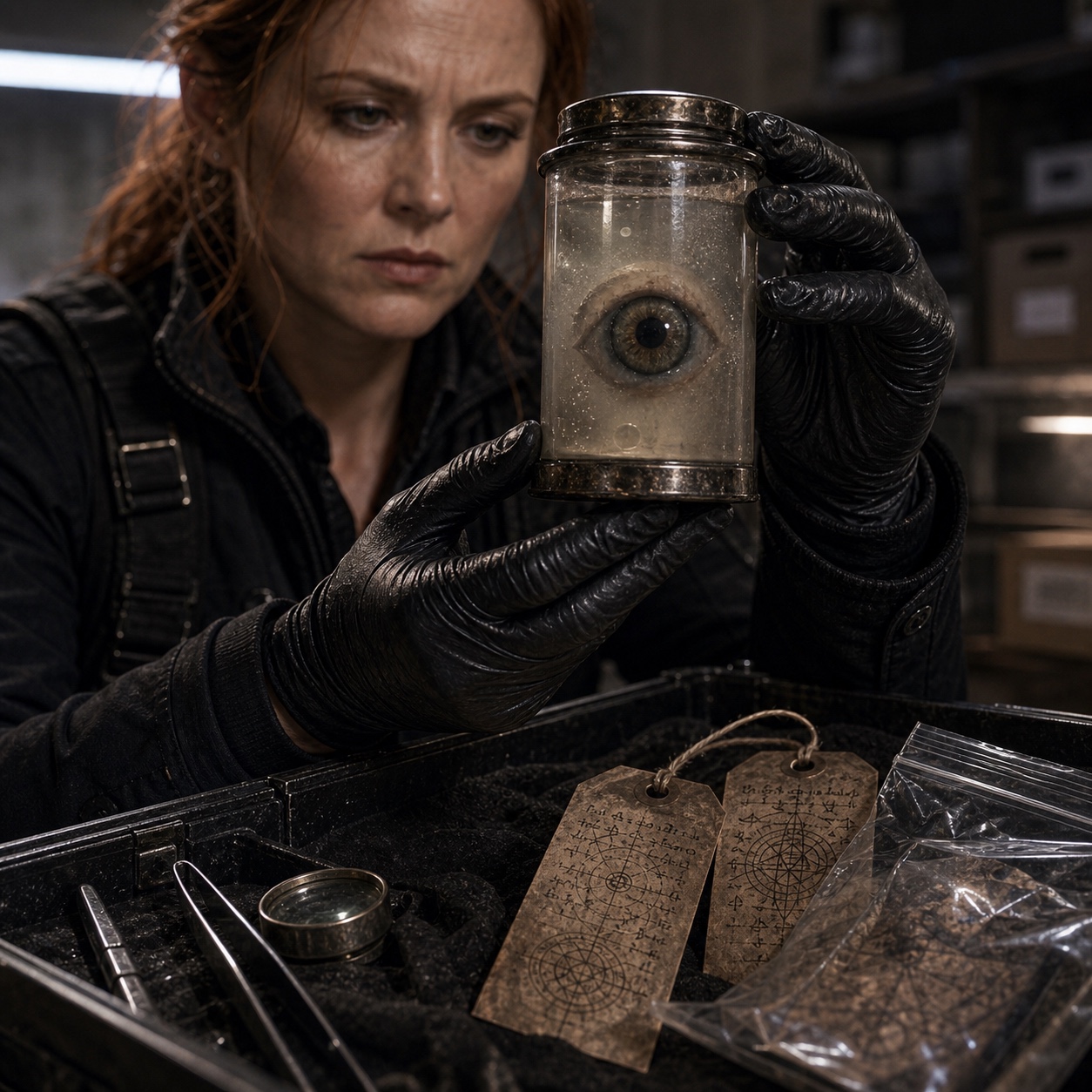
The Eye of Mother Sable
Classification: Class IV: Critical
Type: Occult attachment / seer's eye
Appearance: A preserved human eye in cloudy fluid. In darkness, the pupil turns toward whoever in the room is most afraid.
Grafting Requirement: The wearer must sacrifice their own eye or permanently blind it. Installing the eye causes 2 Corruption and requires Willpower + Forbidden Rites, Severe .
Active Effects: The wearer sees in total darkness and perceives active Wound residue, invisible entities, and infernal marks without equipment.
Mechanical Use: Add 1 Boon die to Perception, Discernment, or Occult Lore checks involving darkness, invisible presences, or Wound traces. Once per session, ignore up to 2 Bane dice from darkness or visual obstruction.
Cost: In daylight or consecrated spaces, add 1 Bane die to sight-based checks. On Calamity during a perception check, the eye shows what the nearest devil wants the wearer to see.
Removal: The original eye cannot be restored by ordinary means. Removing the graft leaves permanent scarring and requires spiritual cleansing before magical sight can be trusted again.

The Hanged Man's Grip
Classification: Class III: Volatile
Type: Corrupt body attachment / weapon graft
Appearance: A dead man's left hand, severed and preserved, grafted over the wearer's own. Before installation it looks like a mummified knuckle-bundle, the tendons stiff, the skin the color of old wax. After grafting it moves with the wearer's intention.
Grafting Requirement: The hand must be taken from a person who died by hanging. Major bloodletting, one deliberately broken vow, and a Might + Forbidden Rites or Willpower + Forbidden Rites check, Hard . Installing causes 1 Corruption. The broken vow becomes spiritually visible to any entity with Discernment 3+ that encounters the wearer.
Active Effects: The wearer's left hand becomes a brutal close weapon that carries the spiritual debt of its original owner.
Mechanical Use: Increase Might by 1 for lifting, breaking, grappling, and unarmed strikes, to a maximum of 5. Unarmed strikes deal 2 WD and have the Brutal quality. On a Boon spend, the target is knocked prone, driven back, or (against a supernatural entity) the wearer may demand one truthful answer, as though a binding claim passes through the grip.
Cost: The hand cannot fully open. Fine manipulation is impossible with it. Any holy authority check using that hand adds 1 Bane die . On Breakthrough or Calamity during a spiritual check, the broken vow surfaces; the entity or scene gains leverage from it. People notice.
Removal: Removing the hand costs 1 permanent WP unless the broken vow is formally absolved through sacramental confession or equivalent spiritual accountability first.
Note: Corrupt Body Manifestations at the Stained threshold (Corruption 5+) can produce an organically similar effect: the Maul Hand in Chapter Eight. The mechanics look alike; the difference is that the Grip is installed by choice while the Maul Hand grows from accumulated Corruption.

The Tongue of the Last Witness
Classification: Class III: Volatile
Type: Occult attachment / dead witness's tongue
Appearance: A mummified tongue wrapped in court transcript pages. The pages are blank until someone lies nearby.
Grafting Requirement: The wearer must speak a true accusation that will materially harm them or someone they protect, then accept 1 Corruption. Hard with Willpower + Forbidden Rites or Charisma + Deception.
Active Effects: The tongue tastes lies, oaths, and infernal loopholes.
Mechanical Use: Add 1 Boon die to Inquiry, Negotiation, or contract-reading checks when detecting deception or hidden terms. Once per session, ask the GM whether a spoken promise is binding, evasive, or false.
Cost: The wearer cannot comfortably tell harmless lies. Each deliberate lie causes 1 Strain. On Calamity during a social check, the tongue speaks an inconvenient truth aloud.
Removal: Requires the wearer to give sworn testimony about the first lie that made them want the tongue.
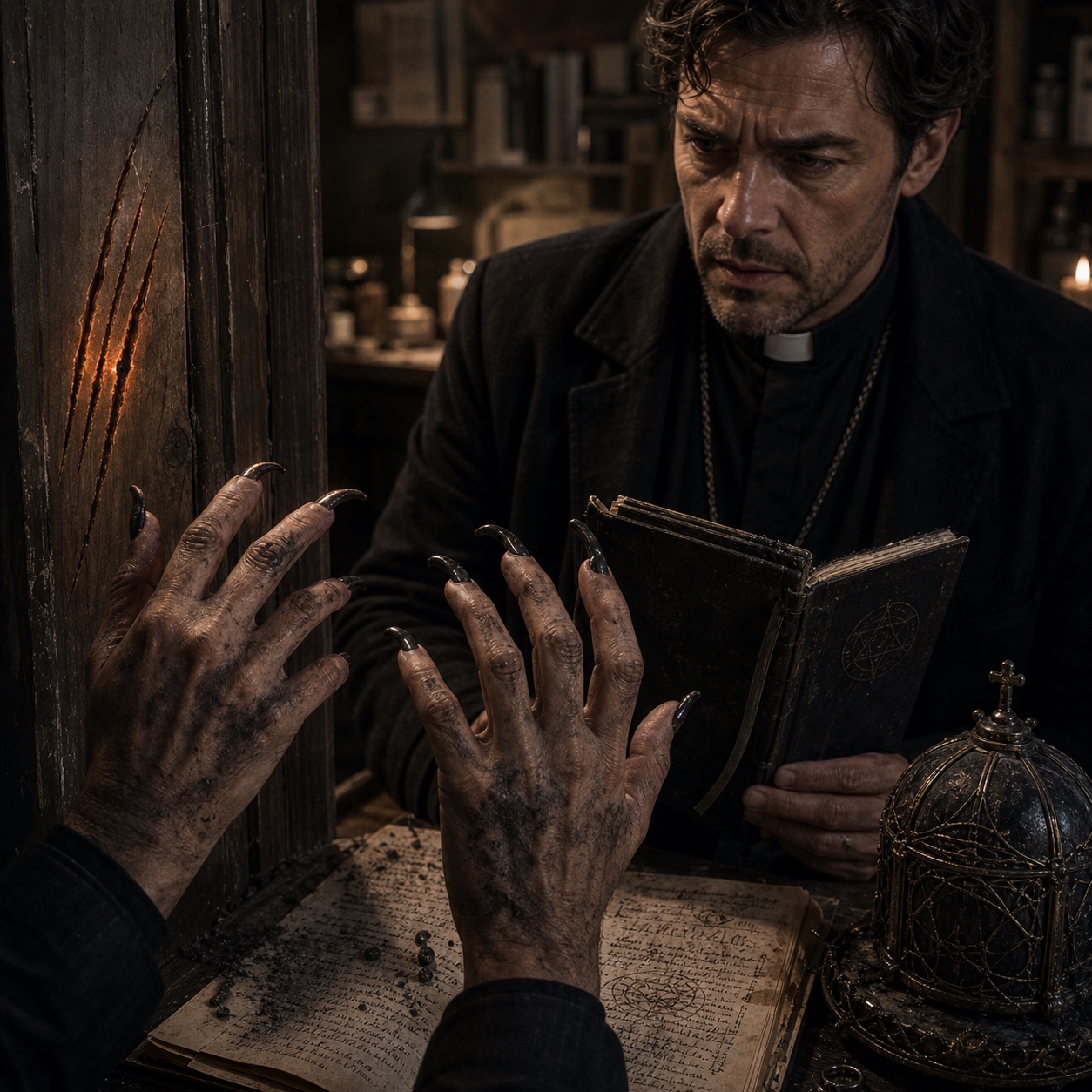
The Claw Prayer
Classification: Class II: Active
Type: Corrupt body attachment / ritual instrument
Appearance: After installation there is no object to find. The wearer's fingernails darken, thicken, and curve slightly inward, looking almost normal until drawn across wood or skin, where they leave hairline marks that remain faintly warm to the touch.
Grafting Requirement: The wearer buries their hands overnight in grave soil taken without permission from a consecrated burial ground, then performs an Average Forbidden Rites check. Installing causes 1 Corruption. The grave soil must come from a burial, not just cemetery earth; the act requires disturbing a specific place of rest.
Active Effects: The nails carry the liminal quality of the burial ground they were made in: they can mark surfaces in ways that the dead can read and the living cannot.
Mechanical Use: Unarmed close attacks deal 1 WD and count as Concealed natural weapons. Add 1 Boon die to any Warding or Forbidden Rites check performed physically by hand: scratching ward marks into surfaces, disrupting existing wards, or reading spiritually charged markings. Once per scene, a mark scratched into a threshold (door frame, window sill, floor line) by the Claw Prayer serves as a passive spirit-detection trigger: the wearer knows before the scene ends if a supernatural entity crosses it.
Cost: The hands leave faint scratch marks on most surfaces touched: paper, skin, soft wood. In any scene where the wearer has handled objects or moved through a location, there is potential physical evidence of their passage. Animals react badly, and unusually so: outright distress, well past skittishness.
Removal: Requires confession or equivalent accountability for the grave theft and a successful curse-breaking check. The accountability must address the specific burial that was disturbed, not the act in the abstract.
Note: Corrupt Body Manifestations at the Marked threshold (Corruption 2+) can produce concealed nail-weapons organically: Grave Nails in Chapter Eight. The Claw Prayer and Grave Nails overlap in base damage but serve different purposes: Grave Nails are a weapon the body produces from what has been done to it; the Claw Prayer is a ritual instrument you chose to build into yourself. Grave Nails have no spiritual sensing capacity. The Claw Prayer has limited combat utility outside its ward and threshold work.

The Shepherd's Rib
Classification: Class IV: Critical
Type: Occult attachment / protective bone
Appearance: A human rib etched with flock marks and burned names. It is worn under the skin along the wearer's own rib cage.
Grafting Requirement: Human bloodletting from a willing follower or dependent, plus the wearer's promise to protect them. Installing causes 2 Corruption if the dependent is exploited, 1 Corruption if the consent is genuine but spiritually reckless.
Active Effects: The rib turns the wearer's protective instinct into armor.
Mechanical Use: Once per scene, when defending someone named during the grafting rite, remove 1 Bane die from a defensive, Composure, or Deliverance check. If the wearer takes a hit meant for that person, reduce incoming WD by 1.
Cost: If the named person is harmed because of the wearer's choice, the wearer takes 2 Strain and the rib becomes hot under the skin. If the named person dies, the rib cracks and becomes a Class IV cursed object inside the wearer.
Removal: Requires freeing the named person from the promise or completing a major act of protection without using the rib's benefit.
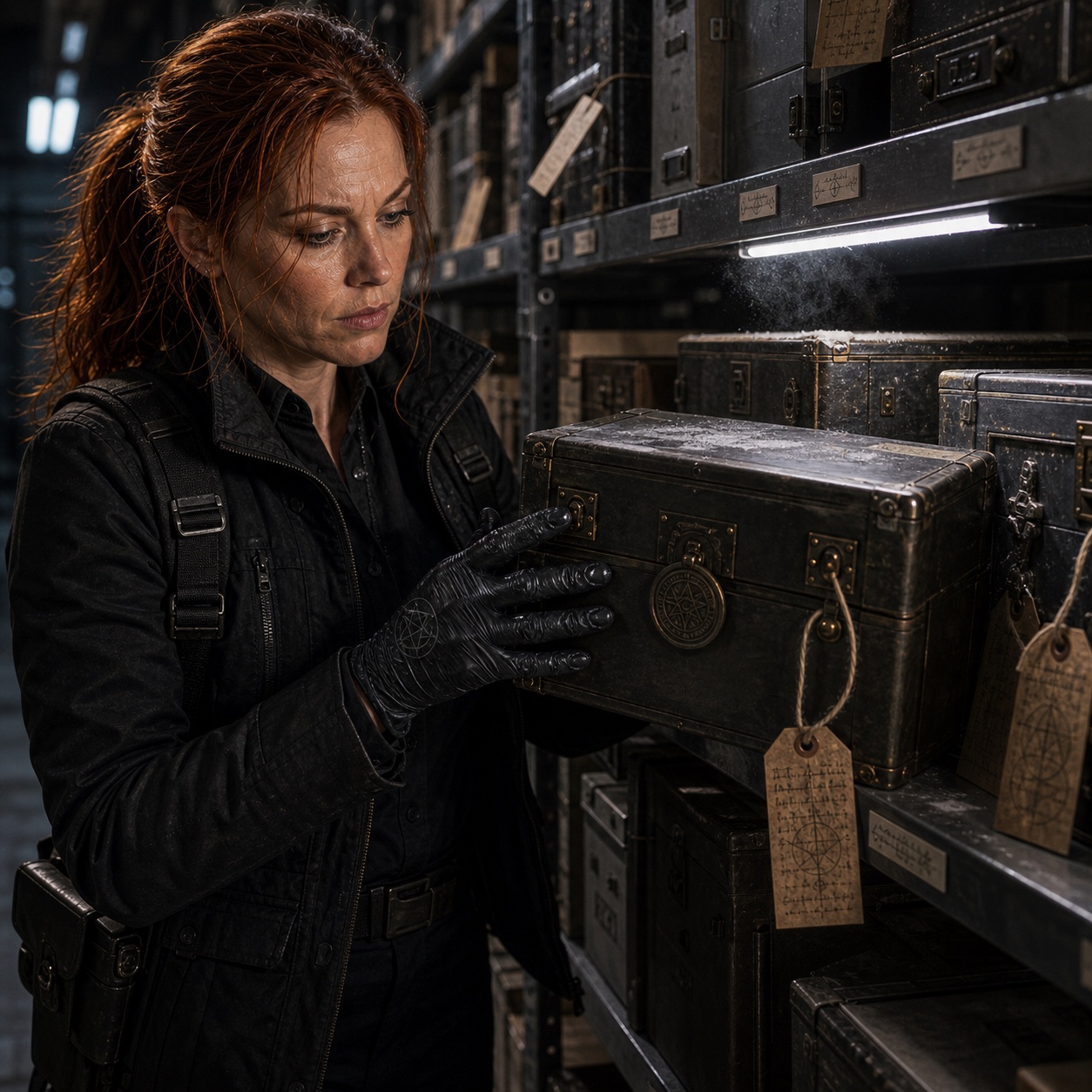
Relic Catalog
The following entries are a representative sample of documented relics and cursed objects known to the Latchkey Archive, presented in official Archive field-documentation format: Classification, Provenance, Appearance, Active Effects, Handling Requirements, Containment Grade, and GM Notes.
The Aldecott Stole
Classification: Class III: Volatile
Provenance: Documented possession of Father Emilio Aldecott, O.M. (1873–1941), Order of Mercy exorcist. Used in more than 200 documented exorcism cases. Recovered from his residence following his death under unexplained circumstances. Held by a private collector from 1942–2019; acquired by Latchkey Archive following the collector's estate dissolution.
Appearance: A purple silk stole, liturgically standard, visibly aged. Small ink notations in the margins of the interior lining in multiple languages. Two repaired tears consistent with physical struggle.
Active Effects: In proximity to any possessing demonic entity (within 10m), the stole becomes warm to the touch, detectable without instruments. When used by an ordained exorcist in an active exorcism, it provides +1 Boon die on all Stage 3 (Binding) and Stage 4 (Confrontation) checks. When used by a non-ordained person, it produces no effect and the wearer experiences a 12-hour period of vivid and disturbing dreams.
Handling Requirements: Contact is safe for ordained clergy or characters with Deliverance 2+. Characters with Corruption 5+ who touch the stole without appropriate protection receive 1 Strain. The stole should not be stored in the same container as infernal objects, cross-contamination will suppress its effects.
Containment Grade: Iron-lined case with consecrated sealing. May be transported under standard relic protocol. May be signed out for active exorcism use with Latchkey Director approval.
GM Notes: The Aldecott Stole is one of the more accessible beneficial relics in the Archive and is occasionally loaned to the Order of Mercy for significant cases. The marginal notations in the lining are in Latin, Greek, Aramaic, and a fourth language the Lantern Index has so far failed to place.
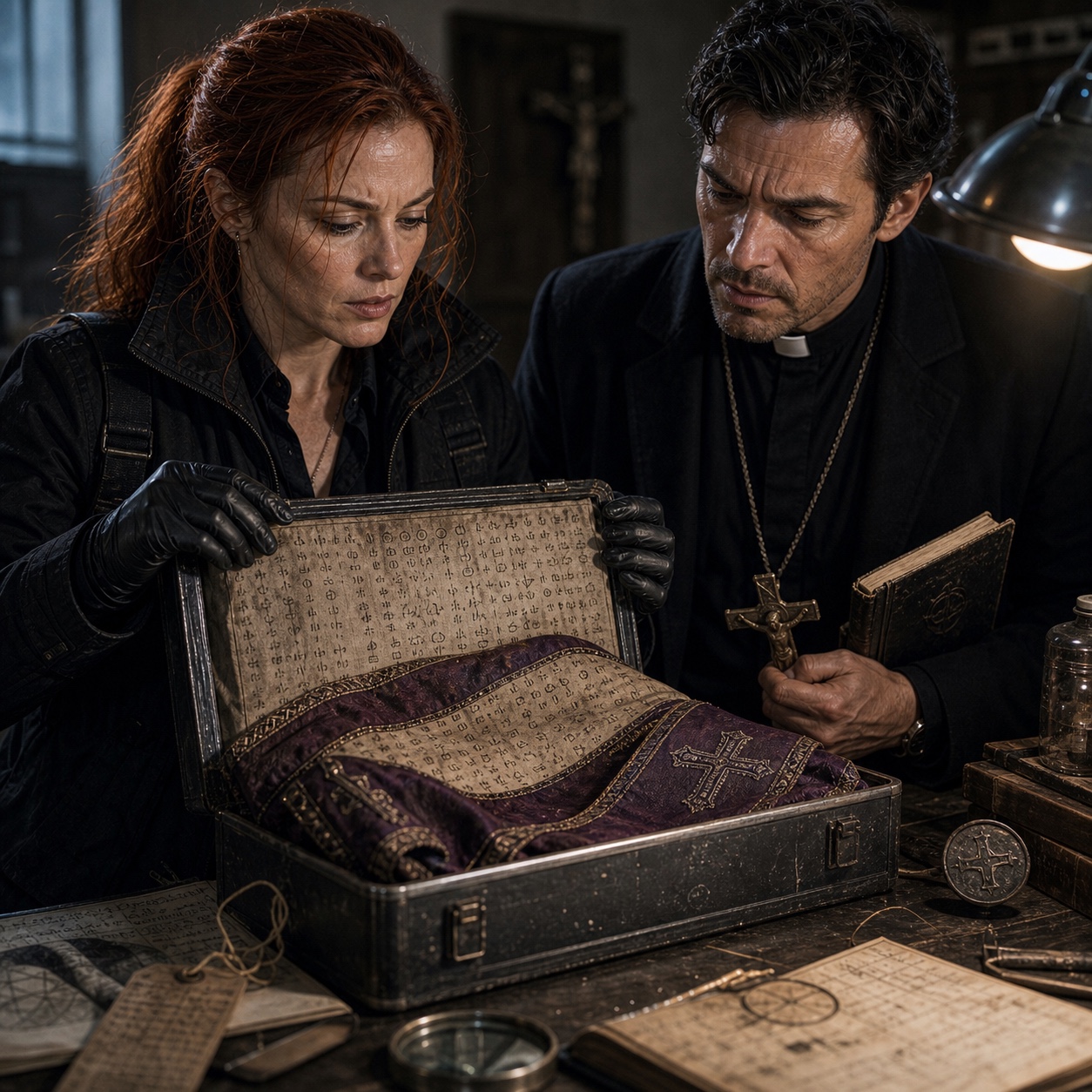
The Sealed Vessel of 1887
Classification: Class IV: Critical
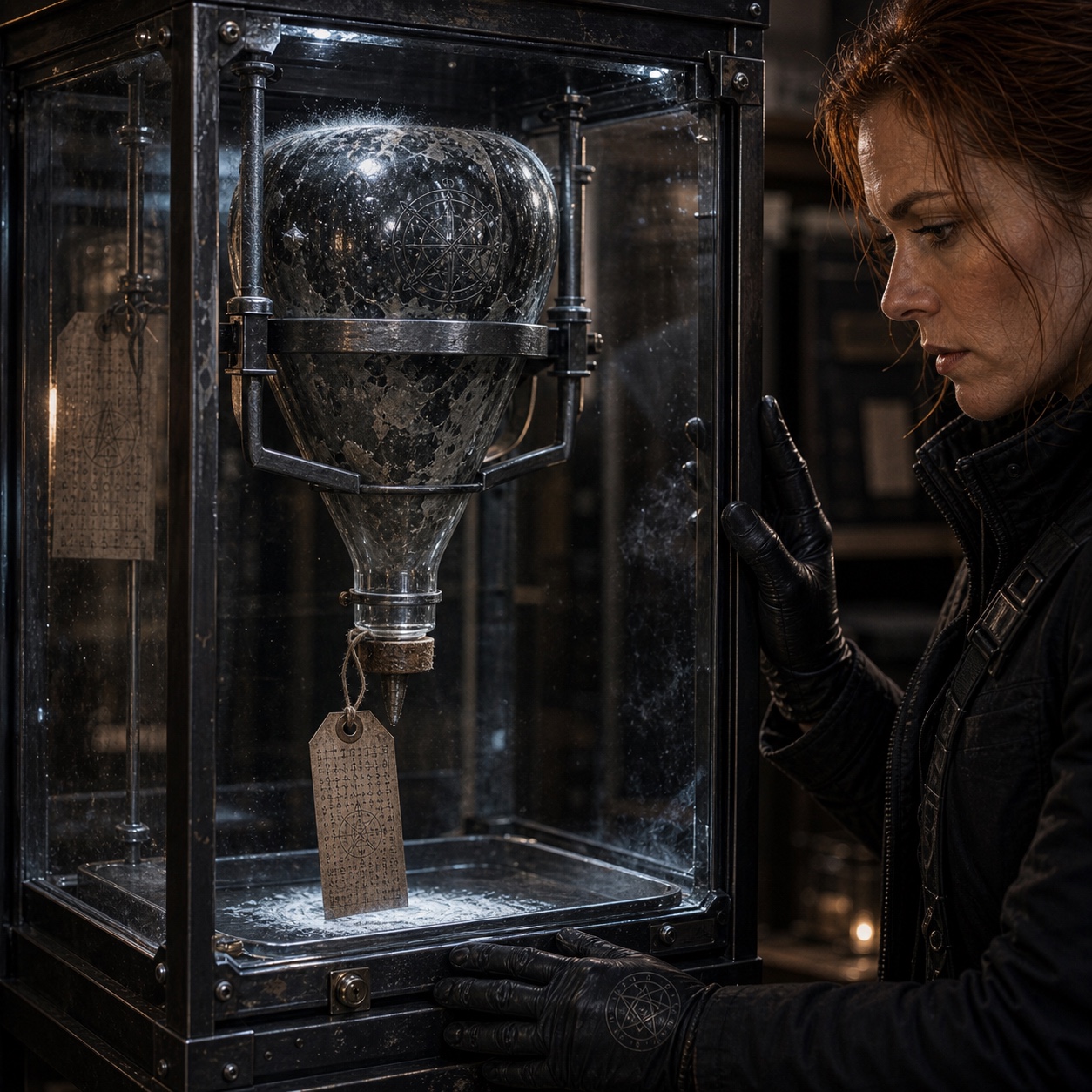
Provenance: Recovered from a farmstead in rural Lancashire, England, following an incident that left three persons dead and the farmhouse structurally damaged. The vessel predates the farmstead by at least two centuries based on ceramic analysis. What it contained, or why it was at the farmstead, is unknown. The 1887 incident documentation is incomplete.
Appearance: A ceramic pot approximately 30cm in height, sealed with a wax compound that has been reinforced with iron bands. The exterior bears inscriptions in a non-standard variant of liturgical Latin that includes significant grammatical inversions. The pot has never been opened.
Active Effects: Within 5m of the vessel, electronic equipment fails. Within 2m, individuals experience auditory phenomena (voices, in a language no subject has been able to identify) and a measurable reduction in effective spiritual authority (add 2 Bane dice to all holy checks). Characters with Corruption 3+ experience additional effects: specific directive suggestions perceived as their own thoughts. The vessel does not respond to exorcism protocols; it is a container, not a possessing entity. Whatever it contains is currently stable.
Handling Requirements: Lead-lined container with iron banding, inner layer of consecrated sealing, stored inverted. Access requires two-person authorization, Relic Lore 2+ for both persons, and Latchkey Director notification. The storage room should not be occupied for more than 30 minutes per session without rotating personnel.
Containment Grade: Maximum containment. Not available for field transport. Permanent Archive storage.
GM Notes: The Archive has three theories about the vessel's contents. Two are alarming. One is significantly more alarming. Senior archivists do not agree on which is most likely, and this disagreement has persisted for over sixty years.

Margrethe's Mirror
Classification: Class III: Volatile
Provenance: Danish in origin, estimated 17th century. Associated with a documented witch trial (1693) in which the accused was specifically charged with using the mirror for infernal communication. The accused was executed. The mirror was held in Church custody for forty years, then sold to a private family. Acquisition history is complex; arrived at Latchkey Archive in 2007 following a residential incident.
Appearance: An oval hand mirror, silver frame heavily tarnished, glass intact. The glass has a faint blue-gray cast that is not consistent with normal tarnish or aging.
Active Effects: The mirror reflects a true image: not the reflection of the person holding it, but an accurate representation of the person's current spiritual state. Wounds, Strain, and Corruption are visible in the reflection as physical marks on the reflected image. Characters with Corruption 5+ see their reflected image overlaid with an entity watching them from behind. The entity is real and aware, and extended viewing (more than 60 seconds) may produce attempted contact. The mirror cannot be used as a scrying device by characters without Forbidden Rites 2+, but will function as such for those who have the skill.
Handling Requirements: Keep covered when not in active examination. Do not expose to direct moonlight. Examination should be brief and conducted with Relic Lore 2+.
Containment Grade: Iron-lined case, kept covered with consecrated cloth at all times. Standard transport protocol. Do not use for operational purposes without Director authorization.
GM Notes: The mirror's true-image property makes it the most accurate Corruption assessment tool the Archive possesses. Whether that utility justifies limited operational use remains an open argument among senior archivists.

The Binding Papers
Classification: Class II: Active
Provenance: A collection of fourteen hand-written pages recovered from the estate of a deceased attorney in New Orleans, 2018. The attorney died intestate. The pages appear to be a form of contract template in a mix of English and French legal terminology, with embedded notational elements that are not legal language by any recognized standard.
Appearance: Fourteen sheets of parchment in a deteriorating leather folder. The handwriting shifts between at least three distinct hands. Some pages have marginal notation that appears to be responses to conditions stated in the main text. Several pages have small burn marks consistent with wax seal application that has been broken and re-applied multiple times.
Active Effects: A character who reads any page carefully (not casually: deliberately, with the intent to understand) feels a sense of being observed and simultaneously being offered something. A low-order devil has a standing association with the document and monitors reading events. The devil does not manifest physically but is aware. If a character reads all fourteen pages in sequence, they receive a contact, a voice, a sense of presence, an offer of a meeting. The offer is genuine.
Handling Requirements: Gloves recommended. Characters with Corruption below 2 may read safely without lasting effect. Characters with Corruption 2+ who read all fourteen pages in sequence have a higher probability of receiving a contact, the devil prefers already-marked contacts.
Containment Grade: Iron-lined case. Standard documentation. Flagged for infernal-contact risk.
GM Notes: The documents are fascinating to the Lantern Index, who have requested access four times. The Archive has permitted supervised reading of individual pages by a senior Index scholar. They have not permitted sequential full-document reading. The devil associated with the document is low-order and manageable, but an unsupervised contact through this document could produce a deal with lasting consequences.
The Aldercott Junction Nail
Classification: Class II: Active
Provenance: Recovered from a railroad junction in rural Ohio following a 1971 incident in which eleven people died in circumstances the official record attributes to a gas explosion. Latchkey documentation from that year indicates the incident was demonic in origin and that the demon was expelled but not fully contained before departure. The nail was found embedded in the junction's wooden switching mechanism. Material analysis indicates the nail predates the switch by approximately two hundred years.
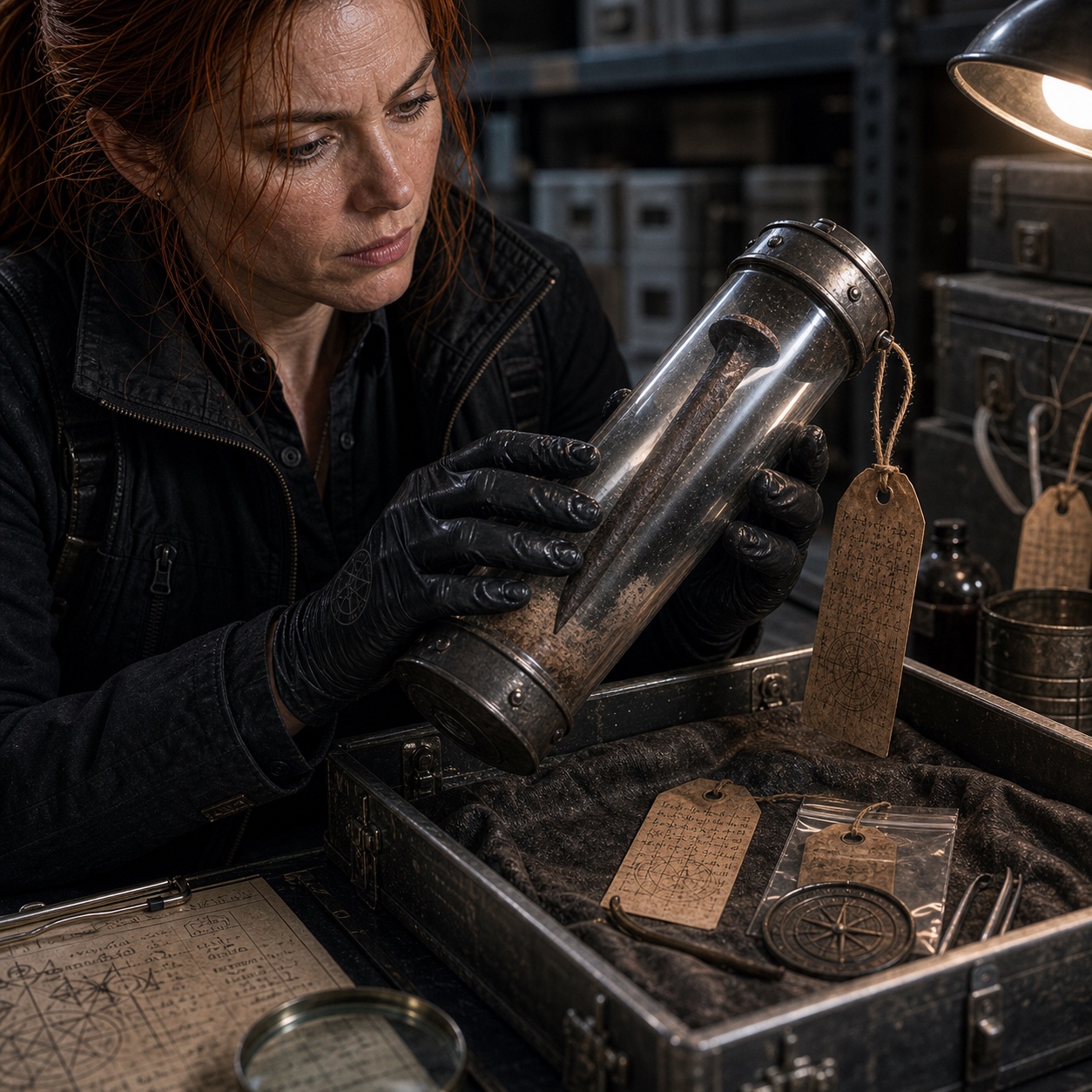
Appearance: An iron nail, hand-forged, approximately 18cm in length. The head bears a mark that may be a maker's stamp or may be intentional inscription. The iron is corroded but structurally intact.
Active Effects: Within 30m of the nail, individuals with Awakened Blood perceive a low-level Wound Site signature. Cold Shard grade. The nail is apparently anchoring a residual demonic presence that is too diffuse to constitute a possession risk but persistent enough to prevent the site from healing normally. The nail's removal would likely resolve the Wound Site, but the nail cannot be discarded or destroyed, attempts to do so result in the nail being found back in its last containment location within 72 hours.
Handling Requirements: Safe to handle with standard relic gloves. No direct spiritual effects to handlers. Do not store near active relic items, the presence may cause minor escalation in other objects' charge levels.
Containment Grade: Standard sealed container, iron-lined recommended. Flagged as possibly indestructible pending further research.
GM Notes: This is actually a Wound Site anchor: the nail is maintaining a Cold Shard condition at the original junction location despite being hundreds of miles away. Latchkey archivists theorize that destroying the nail would resolve the junction Wound Site, but no mechanism for destruction has been identified. The nail is considered low priority given its low active risk; it has been in Archive storage since 1972.

Saint Irenaeus Fragment
Classification: Class I: Passive
Provenance: Authenticated (Order of Mercy, 1987; Lantern Index, 2003) bone fragment attributed to Irenaeus of Lyon, 2nd century bishop and theologian. Provenance documentation extends from 1204 (recorded in a Crusader-era inventory of Lyons Cathedral) through a complex acquisition history to the current holder, an Order of Mercy priest who has agreed to permanent Archive registration.
Appearance: A small bone fragment, approximately 3cm, encased in a gilded reliquary of medieval construction. The reliquary itself is not charged; the fragment is the active element.
Active Effects: Ambient blessing in a 5m radius: approximately equivalent to a freshly consecrated minor space. Characters in close proximity for extended periods (hours) find Strain recovery slightly easier: recover 1 additional Strain at the end of any encounter or rest taken within the radius. Characters with demonic affliction (oppression, infestation, partial possession) experience low-grade discomfort in proximity, not harmful, but noticeable.
Handling Requirements: No special requirements. Safe for handling by any character. Standard respectful handling recommended.
Containment Grade: Standard sealed container, though the fragment's current holder keeps it in an open display case in a private chapel with no apparent ill effect. Archive registration is for documentation purposes; the fragment is not in Archive physical custody.
GM Notes: Class I relics with good provenance documentation are reassuring to work with. This one does what it should do, hurts no one, requires nothing special, and makes a small space a little holier. The Archive catalogues these as baselines. They are the relics that confirm the classification system is functioning correctly.
The Penitent's Coat
Classification: Class III: Volatile (Cursed Object)
Curse Type: Binding/Drain, contact-immediate
Provenance: A wool overcoat belonging to a Candleless operative named Savin Drache, active in Eastern Europe 1990s–2010s. Drache made multiple devil bargains over his career.
When he died (2014, cause undisclosed), the coat was found in a storage unit in Warsaw along with extensive documentation of his operational history. The Latchkey Archive acquired it in 2016 following an incident in which three people who handled the coat without knowledge of its history experienced significant Corruption gain.
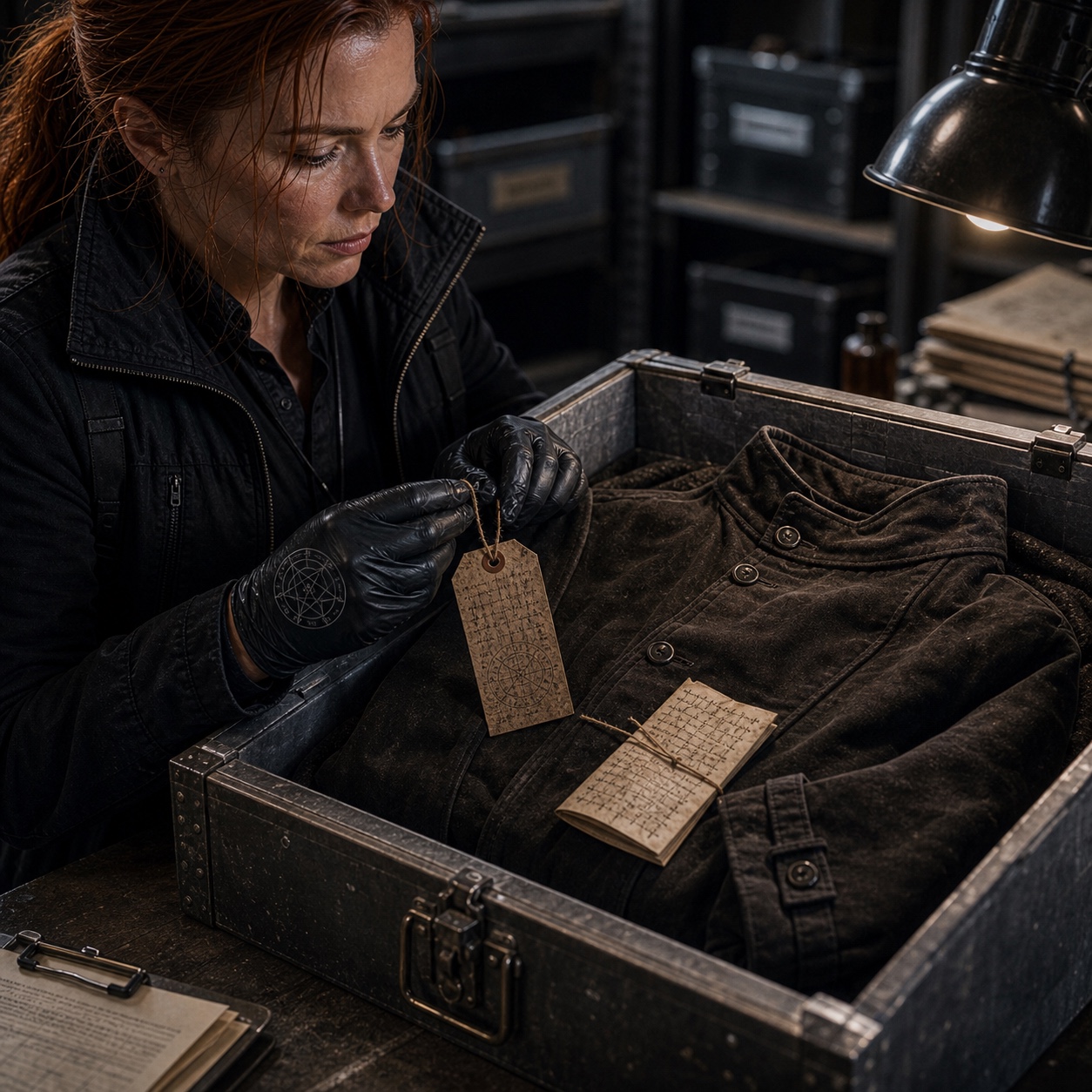
Appearance: A heavy wool overcoat, charcoal gray, men's large. Extensive wear. Several pockets contain small objects, a rosary, coins, a folded piece of paper with names on it. These objects are secondary and carry no charge; the coat itself is the active element.
Active Effects: First contact transmits 1 Corruption to the handler immediately. Continued possession (carrying or wearing the coat for more than 1 hour) transmits an additional 1 Corruption per 24-hour period. The transmitted Corruption carries a specific quality, it appears to the Archive's assessment tools as tied to a specific devil whose name is partially documented in Drache's papers.
Handling Requirements: Lead-lined gloves, minimum. Do not wear. Do not carry without full containment. Maximum 15-minute examination sessions with 30-minute break between.
Containment Grade: Lead-lined container, consecrated sealing. High-priority documentation. Flagged for infernal tracking, the associated devil may be monitoring the coat's location.
GM Notes: The Archive has been trying to dissolve the curse for seven years with no success. The breaking condition apparently requires a specific act of restitution tied to Drache's history, but the documentation is incomplete and several key witnesses are dead. A Lantern Index scholar believes the folded piece of paper with names on it is the key. It is a list of people Drache betrayed under his devil contracts.
The Glass Eye of Kessler
Classification: Class III: Volatile (Cursed Object)
Curse Type: Haunting, proximity
Provenance: A glass prosthetic eye from the estate of Maximilian Kessler, a German collector of occult objects who died in 1932. Kessler documented his own collection obsessively; the eye is not his prosthesis, it appears in his collection records with the notation "Acquired Prague, 1924. Do not look directly into it for more than 3 seconds. Do not keep it in a room where you intend to sleep."
Appearance: A standard glass prosthetic eye, late 19th century construction, with an unusually detailed iris in amber-brown. The pupil appears to track movement when observed peripherally, though this cannot be confirmed under direct observation.
Active Effects: Within 5m, individuals experience the sensation of being watched from behind. Within 1m, individuals may see, in their peripheral vision, a figure, human-shaped, indistinct, standing at a distance. If a character looks directly at the eye for more than 3 seconds, they have a 50% chance (GM discretion based on circumstances) of making visual contact with the attached presence. The attached presence appears to have been human once, modified in ways that make banishment complicated; it cannot be treated as a standard ghost. Direct contact produces: 2 Strain, a specific invasive thought (varies by character), and the presence, from that moment, has the character's name.
Handling Requirements: Keep covered. Do not allow prolonged visual contact. Characters with Discernment 2+ who examine the eye see the attached presence immediately and clearly. This is alarming but provides +1 Boon die on any subsequent attempt to identify the presence's nature.
Containment Grade: Iron-lined case, interior covered with opaque cloth. Do not transport in vehicles where other passengers may accidentally observe it.
GM Notes: Kessler's documentation is thorough but stops before explaining where the eye came from originally or what the attached presence is. The name it perceives when contact is made is not always the character's legal name, sometimes it is a name the character has not heard before, or has not heard in many years. This detail is unexplained.

The Dusseldorf Ledger
Classification: Class II: Active (Cursed Object)
Curse Type: Compulsion, ownership-transmitted
Provenance: A standard accounting ledger of German manufacture, mid-20th century, filled entirely with a running list of names, dates, and brief notations. The entries span 1943–2019 in multiple handwriting styles. The Archive received this object in 2021 from an anonymous package with a note that read: "You will know what this is when it finds you."
Appearance: A bound accounting ledger, 30cm × 22cm, red cover, worn. The spine is re-bound and the original cover title has been removed. Inside: names, dates, single-line notations in German, occasionally interrupted by entries in other European languages.
Active Effects: Anyone who reads more than a single page of the ledger and then replaces it will have the ledger reappear in their possession within 24 hours regardless of where they leave it. The compulsion is not dramatic. The ledger is simply present the next morning, in a pocket or bag or on their desk.
Once the compulsion is attached, the person begins adding entries to the ledger: names of people they have wronged, dates of events they feel guilty about, brief notation. The additions are not conscious. They are typically discovered after the fact. The person does not feel compelled while adding entries. They simply find new entries in their handwriting.
Handling Requirements: Read only under documented conditions with another Latchkey member present. Do not take possession individually. Return immediately to Archive custody after examination. Characters who already have the compulsion attached cannot return it to Archive custody, the ledger returns to them. Active curse breaking is required before the affected character can permanently relinquish the object.
Containment Grade: Standard Archive custody when unattached. When attached to a character, the containment problem is the character, not the object.
GM Notes: The Dusseldorf Ledger has been attached to four Archive staff members since 2021. All four have had the compulsion dissolved, though two required significant research to identify the breaking condition. The ledger has an unknown number of names in it, estimates from the visible pages suggest several hundred people across the decades, which raises questions about who the previous holders were and why they were adding the names they added.
Cursed Object Procedures Reference
| Stage | Action | Skill | Difficulty | Time |
|---|---|---|---|---|
| Initial identification | Physical observation | n/a (no check) | n/a | 1–5 min |
| Active examination | — | Intellect + Relic Lore | = Classification | 10–30 min |
| Curse type identification | — | Intellect + Relic Lore or Occult Lore | Average–Severe | 30 min |
| Provenance research | — | Intellect + Research (extended) | Hard | Hours to sessions |
| Breaking condition research | — | Intellect + Research + Dead Languages | Hard–Severe (extended) | Sessions |
| Ritual curse breaking | — | Theology / Occult Lore / Forbidden Rites | Hard–Extreme | 1–4 hours |
| Re-containment (Class I–II) | — | Relic Lore or Containment | Average | 10 min |
| Re-containment (Class III) | — | Relic Lore + Containment | Hard | 30 min |
| Re-containment (Class IV) | — | Relic Lore + Containment (team) | Severe | 1 hour + |
Do Not Improvise
The most common cause of relic incidents is improvisation. An investigator who is not a Latchkey archivist picks up an unknown object, pockets it, brings it to a safe house, and goes to bed. Forty-eight hours later the safe house has a Wound Site and two people have unexplained Strain accumulation and nobody remembers picking up the object.
The second most common cause is impatience. A Latchkey archivist who knows the correct procedures but is working under time pressure shortens the examination, skips the provenance research, applies half the containment measures, and signs off because the case is closing. The object is in a storage unit somewhere for the next decade until it eventually gets to someone who doesn't know even half of what the original archivist knew.
The Archive has a saying: the right procedure is slow. The consequences of the wrong procedure are slower.