For the Theologians
This is a game. Definitions and distinctions here are built for play, not doctrine. The same way space opera bends the laws of physics, The Hollow bends the beliefs and traditions of some communities.
For the Players
Enjoy the world. Some of the people at your table may hold these traditions as matters of personal faith. Be kind.
| Tradition | Very Short Version | Why It Matters In Play |
|---|---|---|
| Catholic | Hierarchical Church, ordained priesthood, seven sacraments, bishops, dioceses, formal exorcism procedure | Strong institutional authority, clear sacramental rules, archives, formal rites, slow politics |
| Protestant / Evangelical / Pentecostal | Many traditions rather than one institution; sacraments (at minimum baptism and communion) with less emphasis on priestly mediation; scripture, personal faith, calling, and direct spiritual confrontation | Watchfires characters operate through conviction, Passion, community trust, and Righteous Fire rather than Catholic hierarchy |
| Orthodox | Eastern Christian tradition with apostolic authority, bishops, priests, monks, ancient liturgy, and rites outside Roman Catholic control | The Neptic Brotherhood has real holy authority and its own exorcism tradition, not permission from Rome |
| Jewish | Ancient covenantal tradition with its own law, mysticism, angelology, language of names, and traditions concerning the dead | The Lamed Vav can identify and address dybbuks, ibburim, and Name-based problems that Christian investigators may misread |
The Big Frame
The Hollow is Christian horror, and Chapter Two lays out the cosmology in full: God is real in this world, holy authority has force, and sin, corruption, repentance, blessing, consecration, and sacred office are operational facts rather than metaphors. The game is not trying to prove anything about the real world. It has chosen a metaphysical structure and committed to it, because a horror investigation game needs the supernatural to have rules, and The Hollow builds those rules from Christian supernatural categories, with Jewish mystical material handling names, human spirits, and possession cases that Christian procedures can misread.
The categories matter because the procedure changes.
Wrong identification is one of the most dangerous mistakes in this world.
Demon, ghost, dybbuk, devil: each is a different kind of thing, and each calls for a different procedure. A Catholic exorcist, an Orthodox monk, and a Watchfires deliverance worker may all be faithful people confronting real evil, but they are not drawing on the same institutional authority or using the same procedures.
The Hollow makes those distinctions mechanical to give the table a reason to investigate before acting.
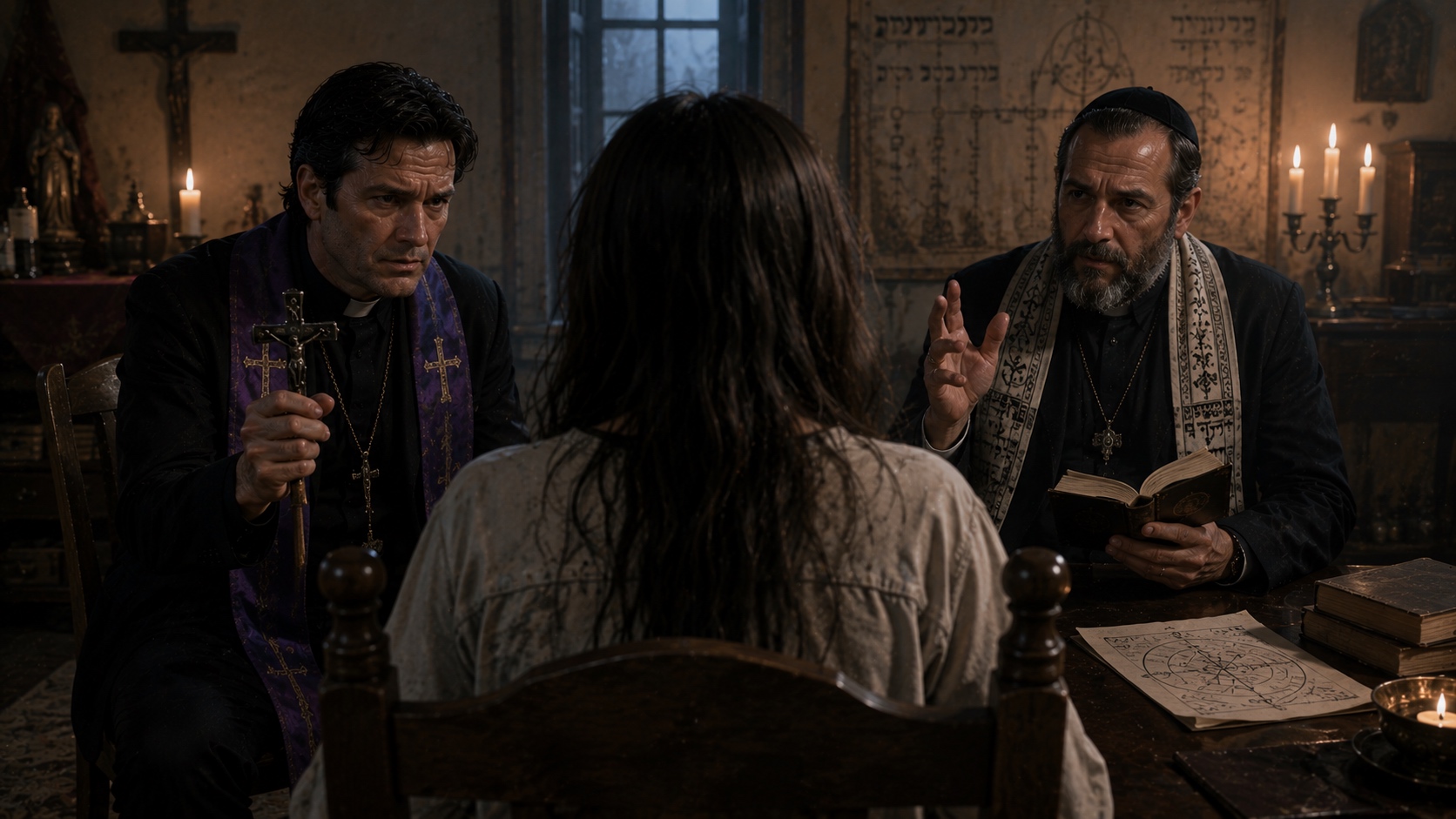
The traditions table above cannot teach you these faiths as they exist in real life; it can show you why the factions in The Hollow do not all solve the same problem the same way.
Purgatory alone shows the spread: Catholics are sure it exists, most Protestant and Pentecostal believers do not affirm it, the Orthodox have a framework that maps onto neither, and several of those assumptions were never developed with Jewish thought in view (the Purgatory entry below covers what The Hollow does with this).
The Hollow does not ask the table to settle any of that. It asks what happens when a soul is in the wrong place, a demon is in a living body, a devil has a valid contract, and the investigators have one night to figure out which procedure will not make the situation worse.
Who Is Who In Church Language
Some religious titles are obvious to insiders and opaque to everyone else.
| Term | Plain Meaning | Hollow Use |
|---|---|---|
| Priest | Ordained clergy in Catholic, Orthodox, and some other traditions | Can exercise sacramental authority when properly formed and acting within scope |
| Bishop | Senior ordained leader with authority over a diocese or equivalent region | Institutional weight, permissions, discipline, archives, and political consequences |
| Pastor / Minister | Usually Protestant clergy or church leader; meaning varies by denomination | Common Watchfires background; may have strong pastoral and deliverance authority without Catholic sacramental office |
| Nun / Sister | Woman in religious life; not a female priest | May carry deep spiritual authority, training, and discipline without being ordained |
| Monk | Member of a monastic community; may or may not be ordained | Often associated with discipline, contemplation, liturgy, and ancient practice |
| Layperson | A non-ordained member of a religious community | Can still be faithful, trained, dangerous, and spiritually significant |
| Rabbi | Jewish teacher and legal or spiritual authority; role varies by community | Relevant to Jewish scholarship, tradition, names, law, and cases involving the Lamed Vav |
A sister is not "basically a priest," an Orthodox monk is more than a Catholic with a different hat, and a lay deliverance worker claims a different authority than a pastor does. Authority in The Hollow has source, scope, and limits; knowing which is which is part of the game.
Sacraments, Rites, Blessings, And Prayer
Religious action in The Hollow is not all the same kind of action.
A sacrament is a formal sacred act recognized by a tradition as carrying divine grace in a particular way. Catholics recognize seven: baptism, confirmation, Eucharist, confession, anointing, holy orders, and marriage. Protestants generally recognize two or three: baptism and communion are almost universal, and some traditions include confession or confirmation. Protestants take sacraments no less seriously; they have fewer of them and understand priestly mediation differently.
In The Hollow, sacramental authority is one of the reasons ordained characters can do things other characters cannot, and which sacraments are available matters by tradition.
A rite is a structured religious procedure. Exorcism is a rite. Consecration can be part of a rite. A rite has form, preparation, authority, and intent. If you skip the preparation, use the wrong authority, or apply the rite to the wrong kind of entity, the fact that the words are old does not save you.
A blessing asks for holy protection, favor, or setting-apart. A blessed object in The Hollow may have real effect, but not every blessing produces the same mechanical result.
Consecration sets apart a place, object, or person for holy purpose. A consecrated church is not just a building with stained glass. In The Hollow, it has spiritual weight that can resist, contain, expose, or intensify supernatural events.
Prayer is direct address to God. In The Hollow, prayer matters. It is not automatically a spell, and it is not weaker because it lacks paperwork. A Watchfires character praying in direct service of their Passion may be more immediately effective than a compromised priest performing a rite in bad faith. But prayer and sacrament are not interchangeable categories.
Prayed-over is not the same as blessed in the technical sense. A Watchfires minister may pray over water, oil, a room, or a weapon. That can matter. It does not make the object sacramentally blessed unless the character has the authority, talent, or rite that makes it so.
The Order of Mercy and the Watchfires both confront evil. One works through office, rite, and sacramental structure; the other through calling, conviction, community, and direct spiritual confrontation. Both can be right, and both can get someone hurt by assuming the usual tool fits the case in front of them.
Exorcism, Deliverance, And Banishment
These words are easy to collapse into one another. In The Hollow, they are not interchangeable.
| Procedure | Used For | Plain Meaning |
|---|---|---|
| Exorcism | Demonic possession and demonic presence | Driving out a demon through authorized spiritual confrontation |
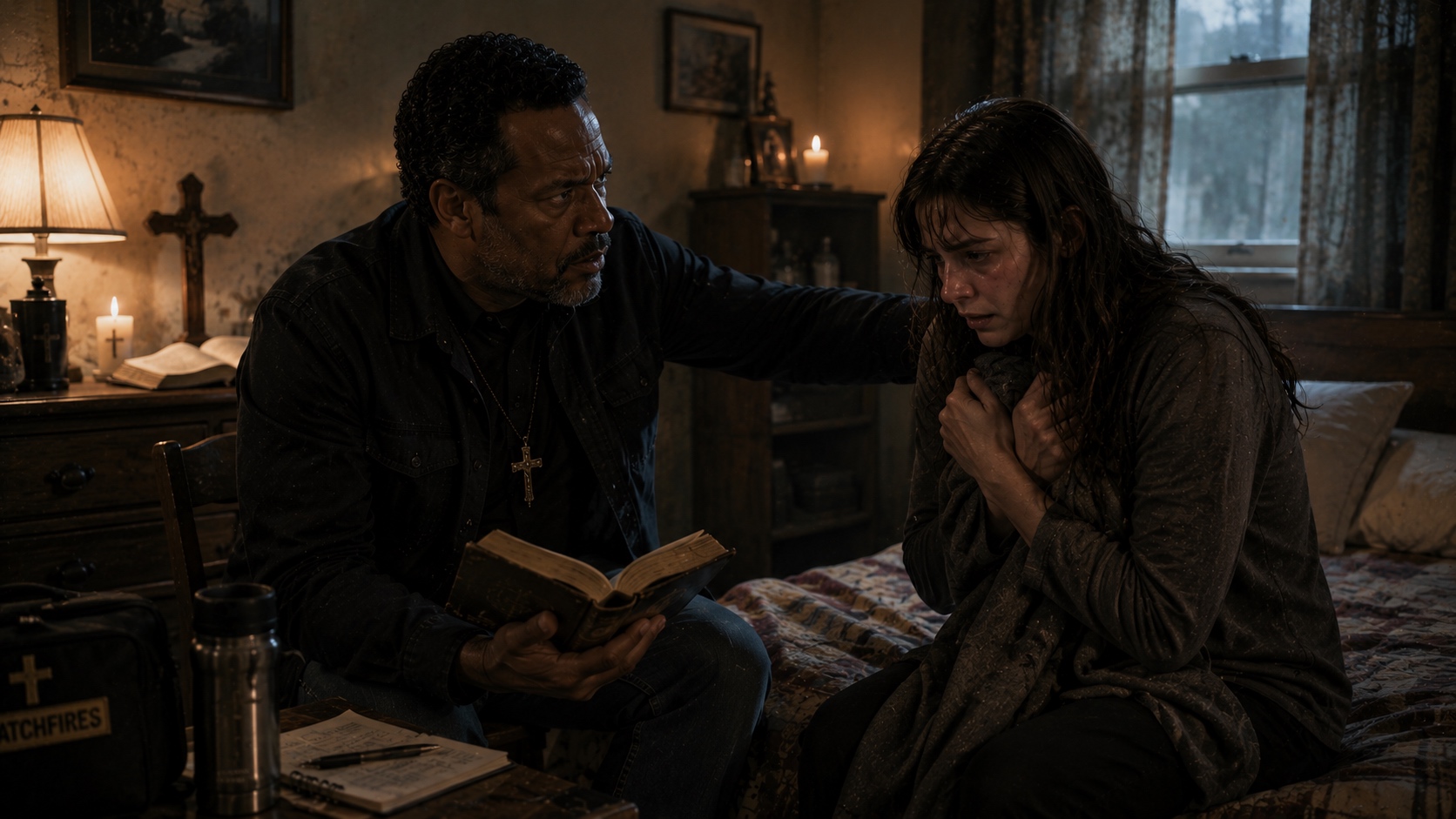
| Deliverance | Spiritual aid, resistance, protection, early-stage intrusion, oppression | Helping a person resist or break supernatural pressure before or around full possession |
| Spirit Banishment | Ghosts, spirits, human souls in the wrong state, and some non-demonic entities | Releasing, removing, binding, or redirecting a non-demonic presence |
The table carries the definitions; the field cautions are what get missed. Exorcism addresses demons, and aimed at a ghost, a human soul, or a non-human spirit it may fail or cause harm. Deliverance, associated in The Hollow with Protestant and Watchfires practice, is its own discipline: it can protect, disrupt, strengthen, and confront, but it cannot by itself replace the full procedure for an established demonic possession. Banishment answers entities that are not demons, and its goal depends on what the thing actually is: release, removal, reconciliation, binding, or containment.
Hell is the state and domain of damnation, infernal order, and fallen authority. Demons and devils both belong to the fallen order; the entries below separate them, and the difference decides the procedure.
Purgatory is, in Catholic teaching, a state of purification for souls destined for Heaven but not yet ready for full communion with God. Protestant traditions generally don't affirm purgatory as doctrine: it's not part of the Reformed or evangelical theological framework. Catholics have a well-developed theology and spiritual practice around it, including prayer for the dead. The traditions have been having this conversation for a long time.
In The Hollow, purgatory exists as an operational reality. That gives this world a place for wandering souls, cast-out souls, and dangerous wrong-door consequences. A character whose tradition doesn't affirm purgatory may encounter purgatory souls anyway. That friction is built in, and it's story material worth using.
Sheol is a Hebrew Bible term associated with the grave or the realm of the dead. It doesn't map cleanly onto later Christian Heaven-and-Hell language, and it shouldn't be treated as if it does.
Gehenna has Jewish roots and later Christian usage, often associated with judgment. It's related to but distinct from the more generic idea of hell. Both Sheol and Gehenna carry layers of meaning that vary by text, period, and tradition.
Jewish afterlife thought is diverse and not always systematized in the way Christian readers may expect. The Hollow uses Jewish mystical concepts primarily around names, spirits of the dead, dybbuks, ibburim, and procedures that predate Christian institutional categories. When the Lamed Vav says the Christian framework is misidentifying a case, they may be the only people in the room using the correct map.
Chapter Two defines these entities in full, and Chapter Seventeen gives you the quick-reference table. These are the plain-language glosses.
Angel. A divine messenger and agent: on heaven's side, which is not the same thing as safe to stand near. Player characters do not summon them, bargain with them, or fight them. If one appears, the scale of the story has changed.
Demon. A fallen angel whose way into the world is possession. It takes a host and uses the body as weapon and mask; exorcism is the procedure that answers it.
Devil. A fallen authority that bargains under Infernal Law. It knocks, smiles, offers something real, and writes the cost where a desperate person can convince themselves it is manageable. Contract dissolution and authority override address devils; exorcism usually does not.
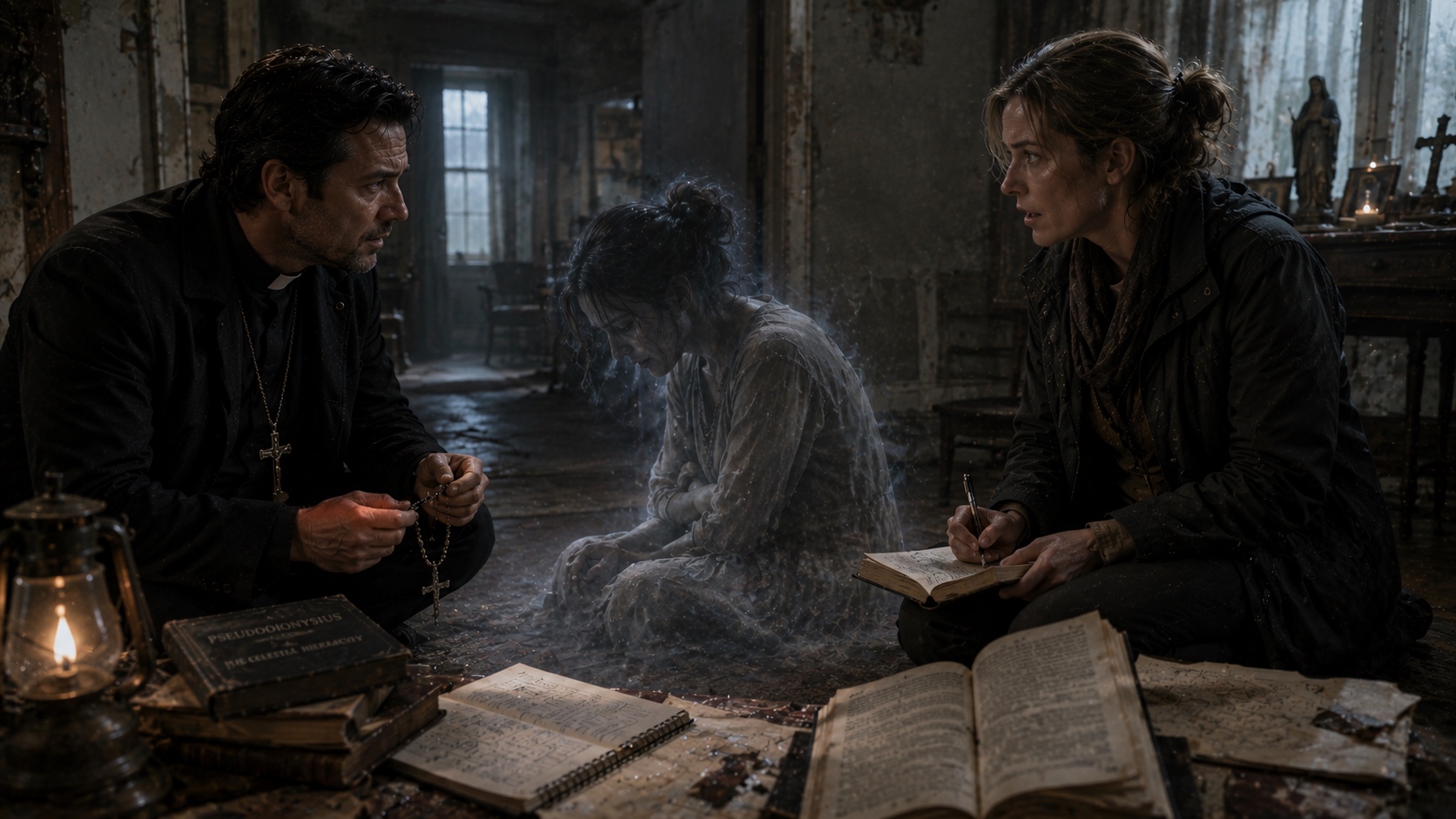
Ghost. A human spirit caught around an anchor: a place, a death, an injustice, a lie, an object, an unresolved need. Understanding what holds a ghost is usually the way to release it.
Spirit. A non-human presence from the between-spaces, with rules, territories, appetites, and patterns of its own, but no human motives, because it was never a person.
Dybbuk. A human soul occupying a living body without consent. Treat one as a demon and you can seriously harm both the host and the soul.
Ibbur. A human soul present in a living person with redemptive intent: still a possession, still a violation, but the fitting response may be reconciliation rather than expulsion.
Identify first, act second. If you act first, the thing you did may become the next problem.
Sin, Grace, Corruption, And Repentance
The Hollow uses moral language because its horror is moral as well as physical.
Sin here is more than breaking a rule: it is rupture, a violation of the good order of creation, of another person, of one's own integrity, or of the authority a character claims to serve. Not every mistake is sin in the mechanical sense, and not every bad choice marks Corruption. Profound moral compromise has spiritual weight, though, and the game tracks it.
Grace is divine aid, favor, and gift, not "white magic points." When the Order of Mercy calls Awakened Blood a grace, they mean the capacity to see and respond to the hidden world is a gift with responsibility attached.
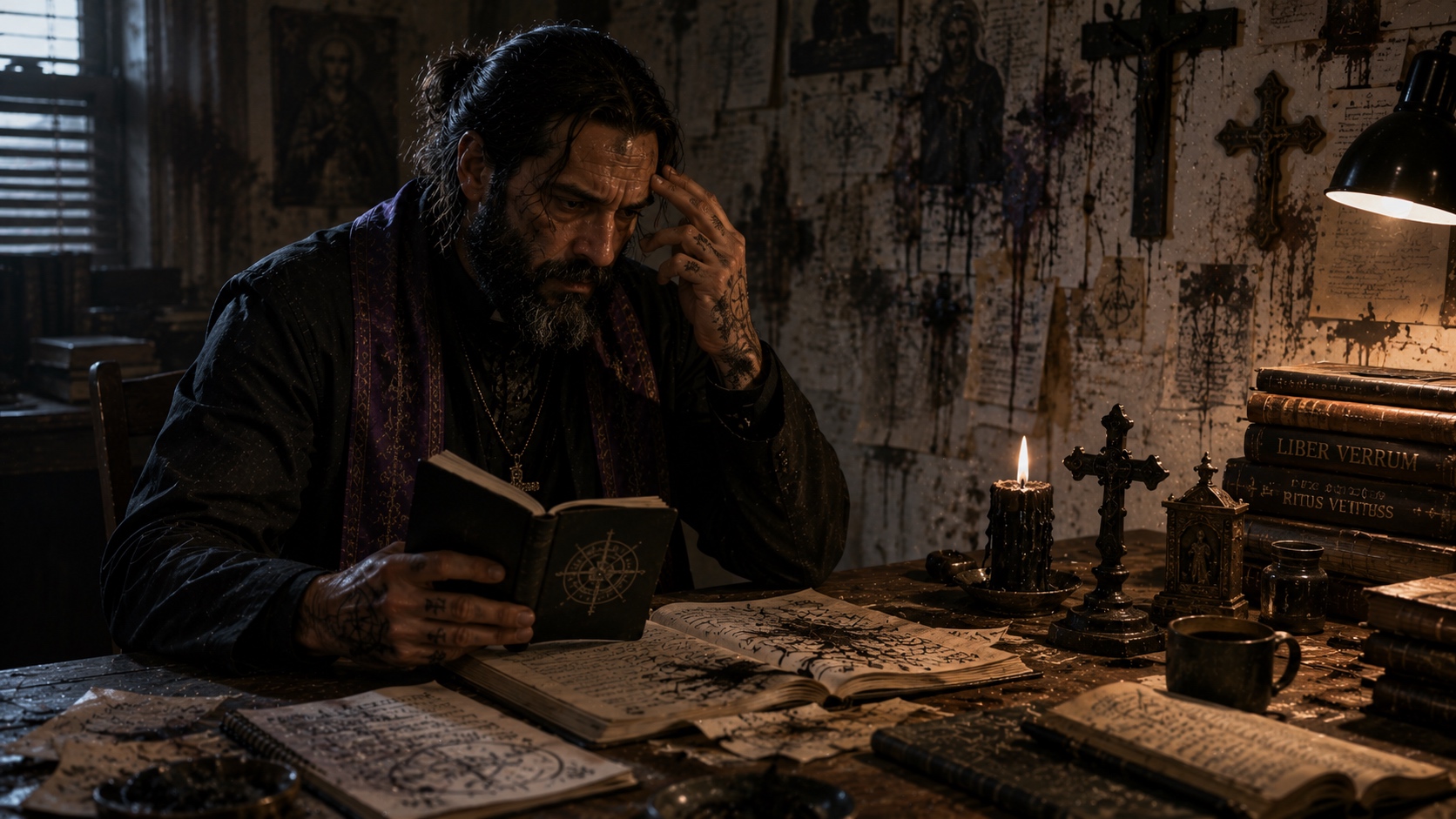
Corruption is what happens when a character's spiritual integrity is compromised, leveraged, stained, or claimed.
A devil deal causes Corruption because the character has consented to a binding relationship with the fallen order. Forbidden rites cause Corruption because they work by violating the proper order of things. Grave moral failure near a Wound can cause Corruption because the character has fed it by becoming the kind of thing it understands.
A relic is a physical object connected to a holy person, event, or sacred history. In a sacramental imagination, matter, bodies, and touch all carry weight; history leaves contact. A relic is powerful not because it is a magic battery, but because holiness has touched the material world and the contact has consequences.
The Hollow's relic rules turn that religious imagination into game procedure. Sacred objects have context, requirements, and consequences; they are not collectibles.
Calling, Anointing, Passion, And Discernment
The Watchfires use a different vocabulary than the Order of Mercy, and that vocabulary is just as serious.
Calling is the sense that God has summoned a person to a particular work. It may come through prayer, circumstance, trauma, community recognition, or the simple fact that the person keeps ending up in rooms where everyone else leaves and they stay.
Anointing is a word often used in Pentecostal and charismatic contexts for Spirit-given empowerment or authority. In The Hollow, the Watchfires may understand Awakened Blood as anointing: not institutional office, but a burden and empowerment that comes directly from God.
Passion is the Watchfires passive mechanic, and it is not enthusiasm: it is the thing that will not let the character walk away. A Watchfires character does not invoke Passion because it is convenient. Passion is what makes convenience irrelevant.
Discernment is spiritual perception: the ability to perceive what is spiritually true beneath appearances, whether deception, possession, oppression, profanation, false holiness, or the difference between a psychological crisis and a spiritual attack.
When a Watchfires character says they discerned something, they are not saying "I got a bad feeling"; they mean they perceived a truth that may not yet be visible to anyone else.
How To Use This At The Table
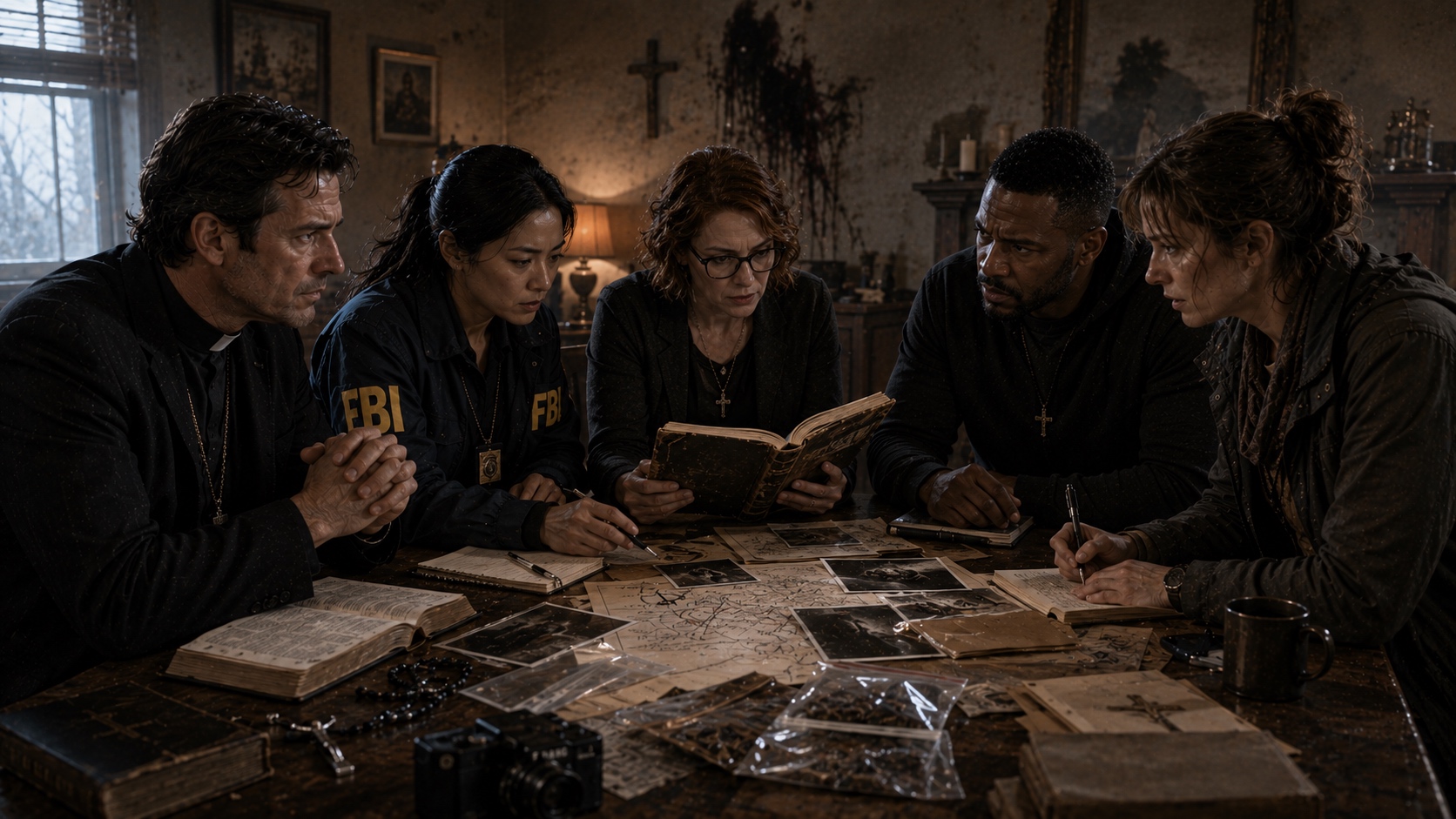
You do not need to become a theologian to run The Hollow. You do need to respect the categories.
When a religious term appears, ask three questions:
- What tradition is this coming from? Catholic, Protestant, Orthodox, Jewish, folk practice, occult practice, or something else?
- What authority does it claim? Ordained office, sacramental rite, personal calling, community recognition, ancient tradition, infernal contract, stolen name?
- What does it actually address? Demon, devil, ghost, spirit, human soul, Wound, relic, curse, corrupted person, or institution?
Most mistakes in The Hollow come from answering one of those questions too quickly. The Catholic priest may have the right rite and the wrong target; the Watchfires worker, the right Passion and not enough preparation. The Orthodox monk knows the older prayer and refuses to rush it. Sometimes the Lamed Vav scholar is the only one who recognizes that the thing everyone called a demon was once human, and sometimes the secular investigator is the only person willing to ask whether the official religious explanation fits the evidence. All of them belong in the story.
The Hollow is not interested in making faith simple. It is interested in making faith operational under pressure: beautiful, frightening, compromised by human beings, strengthened by courage, tangled in institutions, carried by communities, and tested hardest when the thing in the room knows exactly what every person there believes.